Implantology without biomaterials
No bone substitutes of animal or human origin are used — natural regeneration only.
Treatments
Dental implants Implant on the day of extraction Implant without bone graft Periodontitis Laser dental surgery All treatmentsThe practice
Your first visit The practice in pictures The team FAQ Contact and opening hoursProfessionals
Minimally invasive philosophy Book an appointmentOral surgery · Implantology · Periodontology · Laser
Extraction, implant and temporary tooth on the same day, when the clinical situation allows.
No scalpel, no stitches, no biomaterials, with bleeding and post-operative after-effects kept to a minimum… just the precision of the laser. More than 42 years of experience at your service.
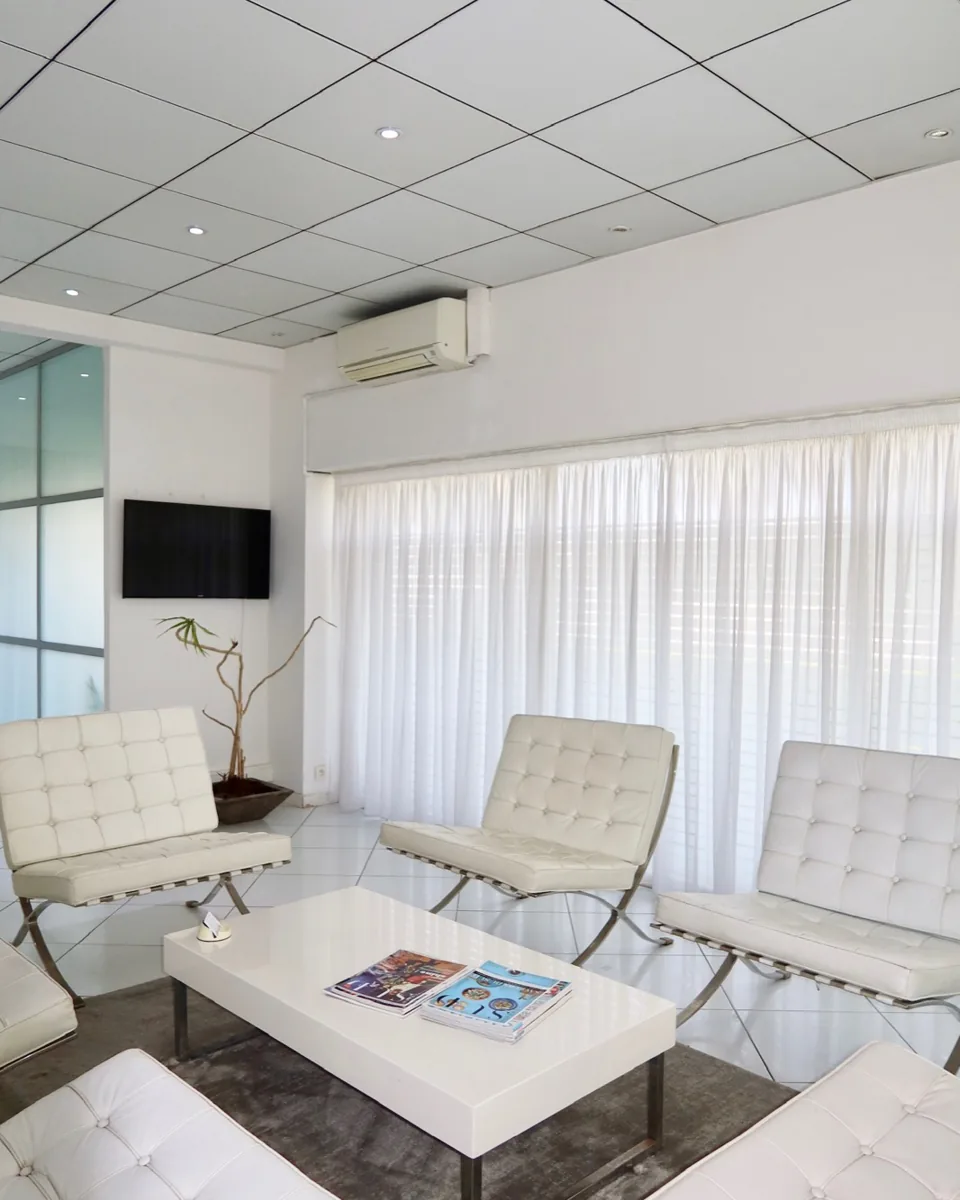 On the seafront · Baie des Anges
About
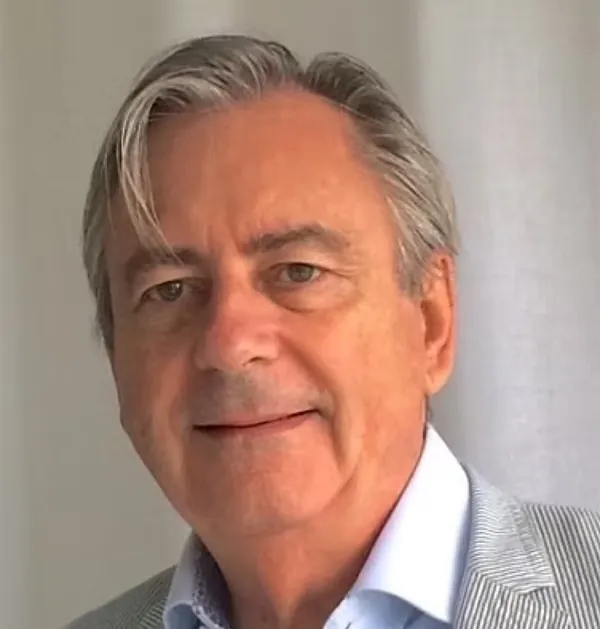
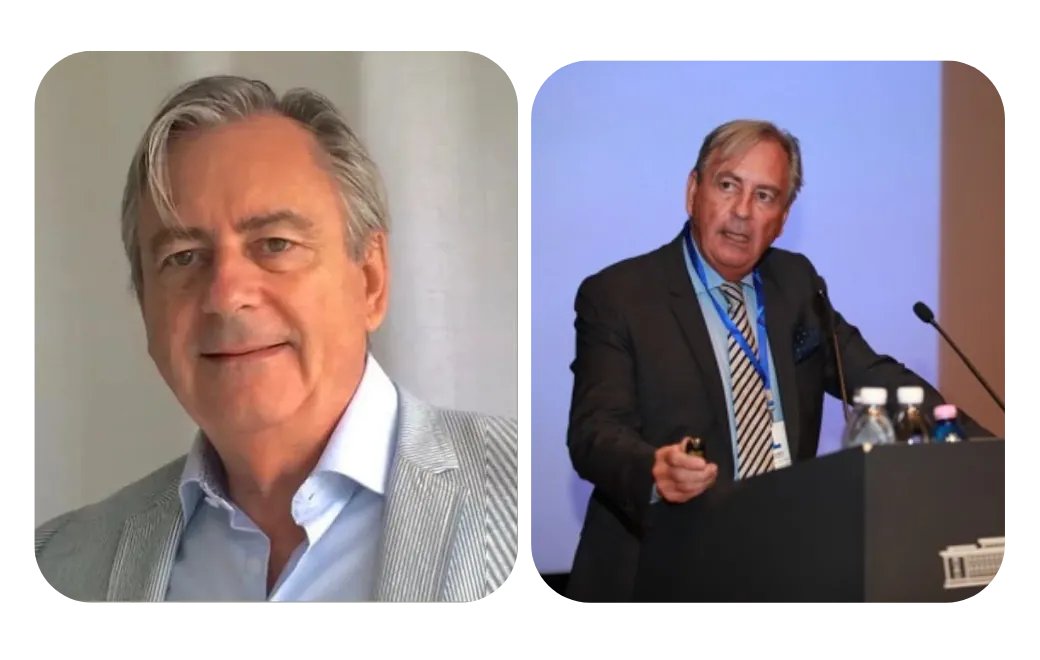
Dr Gilles P. Chaumanet has practised and taught minimally invasive oral surgery and implantology for more than 42 years. Using lasers, CAD/CAM and 3D Cone Beam scanning, he places implants without opening the gum and without biomaterials, with maximum precision and safety.
A former lecturer at several universities abroad and an international speaker, he is also the founder of the International Institute of Laser Implantology (IILI).
No bone substitutes of animal or human origin are used — natural regeneration only.
Thorough decontamination, biostimulation and maximum tissue preservation, using several lasers.
Master in Implantology & Periodontology — NYU, New York, USA. Teaches his own protocols around the world. Ambassador for learnlasers.com and the Academy of Laser Education.
Our approach
The minimally invasive protocol avoids opening the gum: no incision, no stitches, no outward sign of the procedure. More than 98.5% of implants are placed using this protocol.
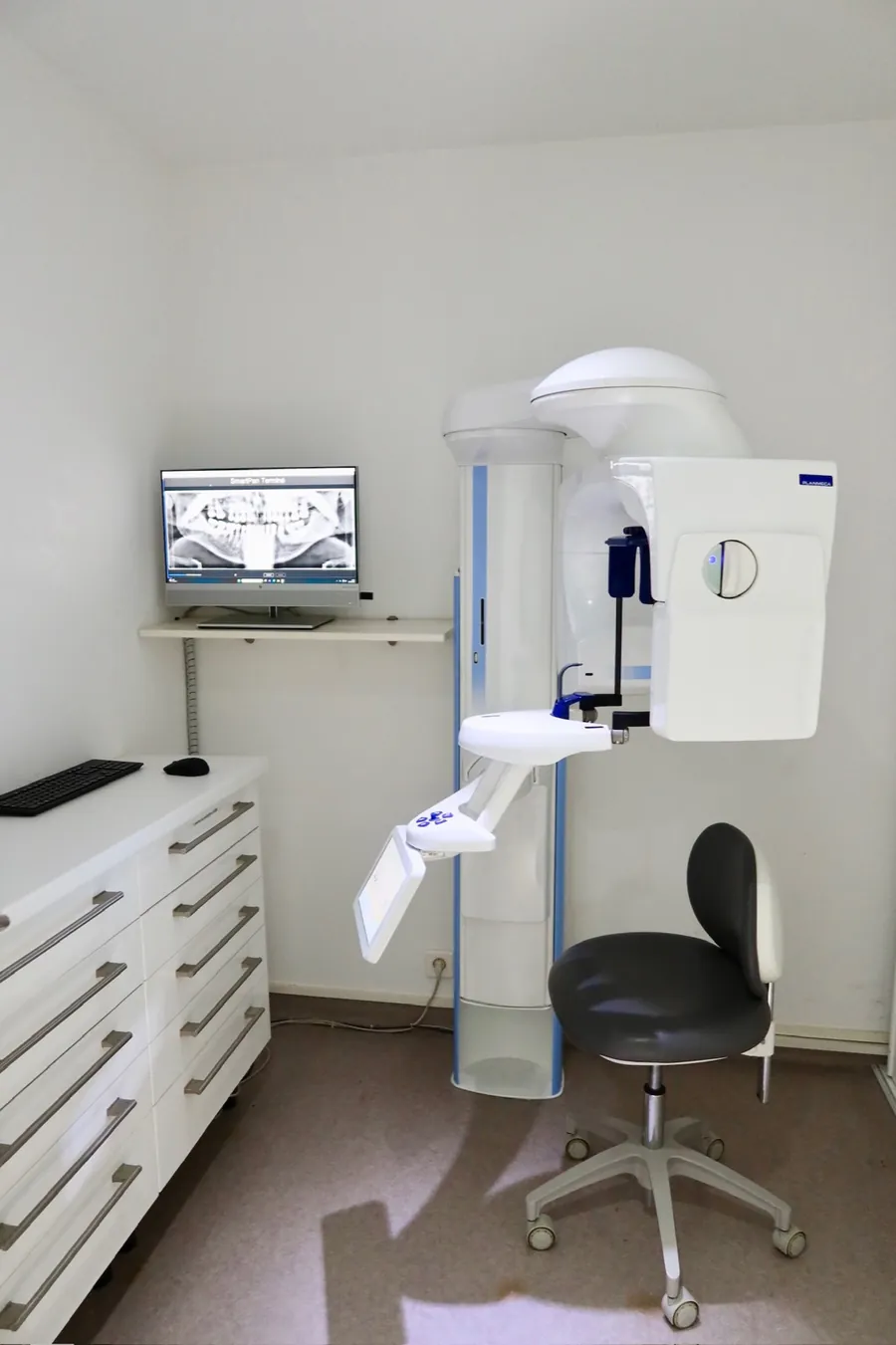
A 3D X-ray examination (Cone Beam) of the jaws and face is used to plan the procedure.
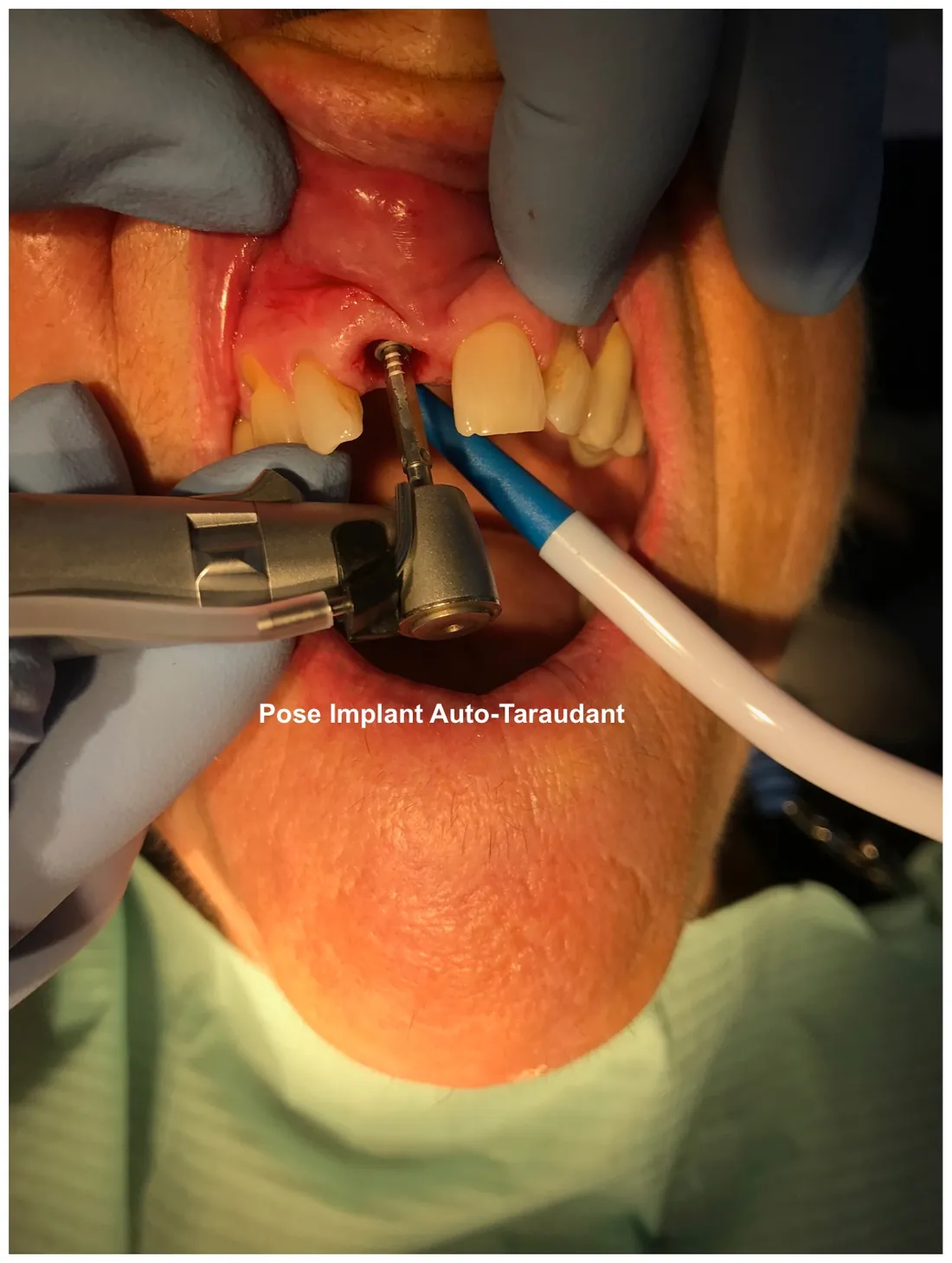
The implant is placed through the gum using the laser, with no flap or incision. No stitches, no visible scar.
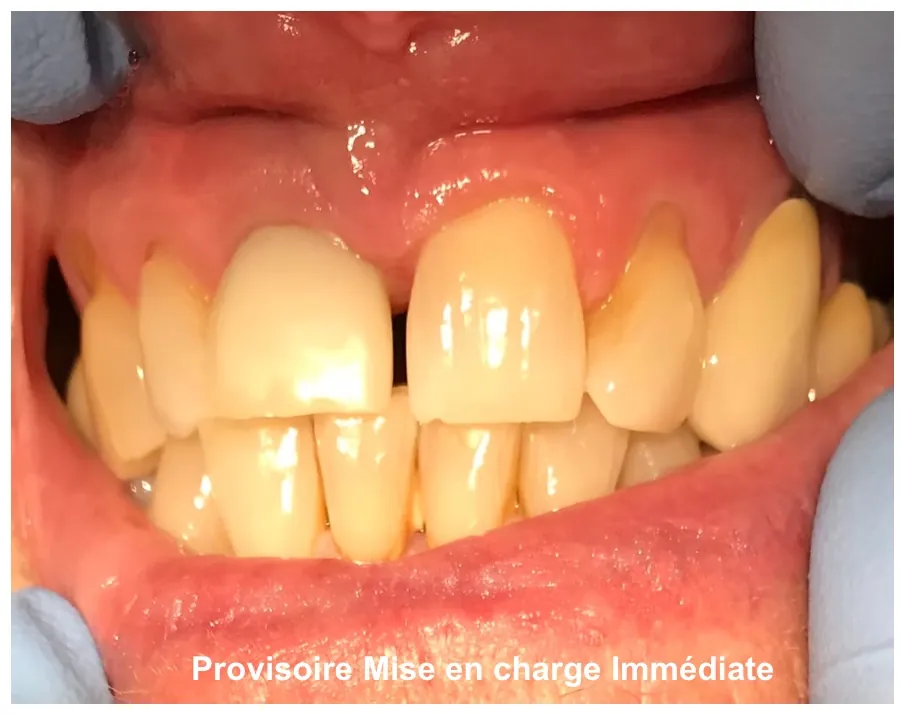
Extraction, implant placement and a temporary crown can be carried out on the same day, when the clinical situation allows.
A laser-based approach, without biomaterials, that allows the tissues to regenerate naturally.
Treatments
Minimally invasive placement of dental implants, without incisions or stitches.
Learn moreDisinfection, decontamination and biostimulation of tissues with medical lasers.
Learn moreThree-dimensional X-ray examination of the jaws and face, surgical navigation and precise digital impressions with an optical camera, all carried out at the practice.
Metal-free, biocompatible ceramic restorations (Emax / zirconia).
Minimally invasive surgical treatment of the gums and supporting tissues (periodontium).
Learn moreTissue biostimulation by light therapy (LLLT).
Further reading
Written for fellow practitioners: the biological and clinical principles of laser-assisted minimally invasive implantology.
To go further — Minimally invasive philosophy (for professionals only)
The principle of the minimally invasive implant surgery is more than a procedure, it is a full concept where all steps are contributing to reach the major keys for a long term implant outcome. Minimally Invasive Surgery is not only a surgical technique where smaller incisions are performed. It is also a coherent assessment where surgical impact and its associated products such as biomaterials or sutures are banned or at least minimised.
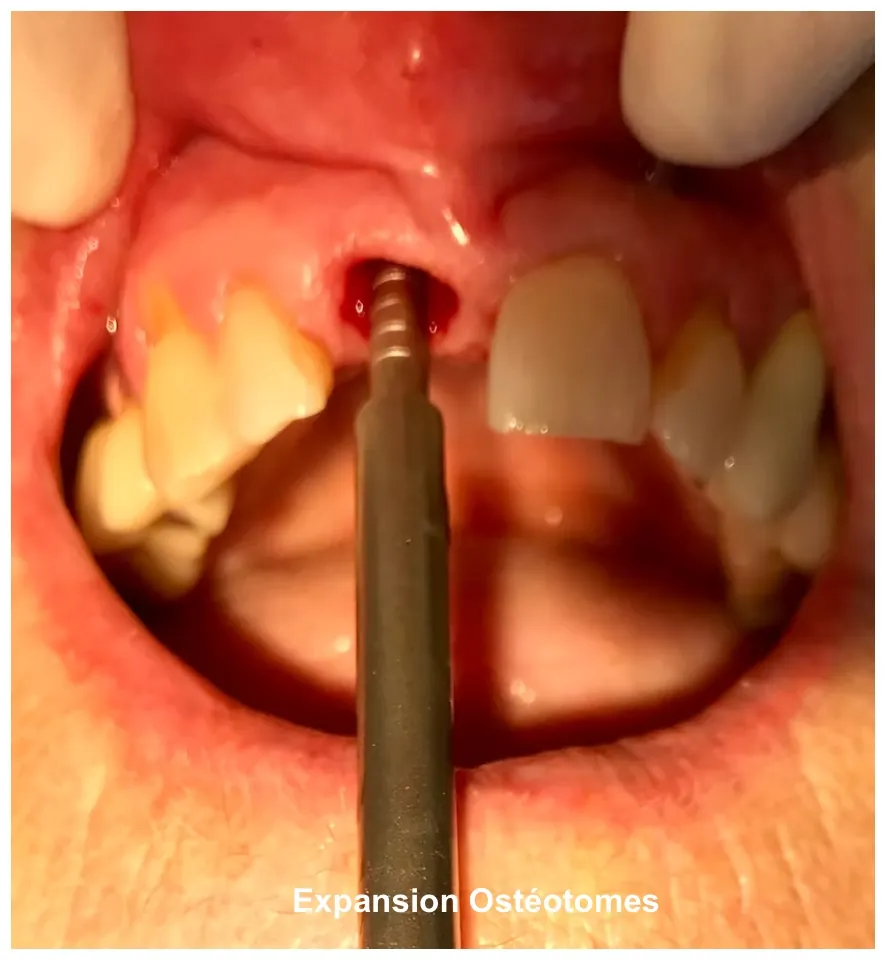
Minimally Invasive Implant placement shouldn't be only subtractive but a real rational tissue management where bone volumes are displaced by condensation or expansion ending by emphasizing the bone density. In raising the bone density the advantages are multiple like better primary stability and Bone/Implant Contact (BIC) that are the 2 most well spread cited factors for long-term implant survival and success. Immediate post-extractive implant placement is now accepted in clinical dentistry for reconstruction of partially or completely edentulous mandible or maxilla. Advantages of immediate implantation are numerous: post-extraction alveolar process resorption is reduced, diminution of surgical visits, shortening the treatment time by the diminution of the healing process, higher patient acceptance and satisfaction, improved functional and esthetic results. The clinical survival rates of immediately placed implants are comparable to those of implants placed following tooth extraction and wound healing. Preservation of the buccal plate allows precise implant placement, improves the prosthetic emergence profile and moreover preserves the morphology of the peri-implant soft tissues thereby affording improved esthetic-prosthetic performance. The surgical requirements for immediate implantation include extraction with the least trauma possible, preservation of the extraction socket walls and thorough alveolar curettage to eliminate all pathological material. Some new devices like mechanical periotomes or osteotomes coupled to laser technology can now be utilized to enhance these objectives. Then since we know that primary stability is an essential requirement the use of an aggressive implant shape and surface with deep threads combined to a condensation bone technique will help to reduce the healing period. The esthetic emerging profile issue will be achieved by a 1-2 mm sub-crest implant placement using a platform switching and a morse taper. This predictable treatment modality will lead to a high rate of crestal bone preservation with a minimally invasive approach.
But one of the first dilemma in immediate implant surgery is: shall we fill the gap (between implant and bone) or not? The major issue is represented by the fact that during healing this hiatus will be contaminated by germs and eventual undifferentiated cells from the epithelium lineas. We all know that the following cell competition will end up by a loss of bone. If we don't want to use bone substitutes, the only alternative will be Guided Bone Regeneration without Biomaterial Barrier Membrane and bone volume managing procedure. This supposes tissues themselves must have the sufficient barrier effect against any buccal fluid leakage. A bone regeneration must be induced by selectivity but we don't want to delay the catabolic phase. Such an arrangement can be found with a special management of natural fully biocompatible vital tissues, think autogenous like the periosteum and the use of platelet concentrates which are considered as innovative tools of regenerative medicine, particularly in oral and maxillofacial surgery.
In these conditions one of the key factors in immediate post extractional implant is represented by the vaporisation of the infected or potentially infected surface of the socket (collagen and Sharpey fibres + granulation tissue) that until now no other device or procedure can substitute and will contribute in reducing drastically the catabolic phase of healing or reconstruction.
Following these principles the catabolic phase during the healing time will be substantially reduced allowing a quicker loading and the esthetic outcome more predictable.
Another hot topic is the placement of implant under the sinus in the posterior maxilla. What choice should we make? Avoid the sinus cavity by placement of short implants or pterygoid implants, lateral sinus-lift or crestal approach? Grafting or non grafting? Delayed, early or immediate loading? So many questions and complicated solutions when an original, easy and predictable surgical technique will allow the placement of endosseous implants in the atrophic posterior maxilla in conjunction with sinus elevation without bone grafting ending in a reduced healing period with significant amount of bone formation around the implants at the sinus floor, resulting in successful restorations and eliminating the need for bone grafting.
In simple terms, the first laser is ablative, whereas the second provides deep decontamination and disinfection of the surgical site without altering the structural integrity of the tissues.
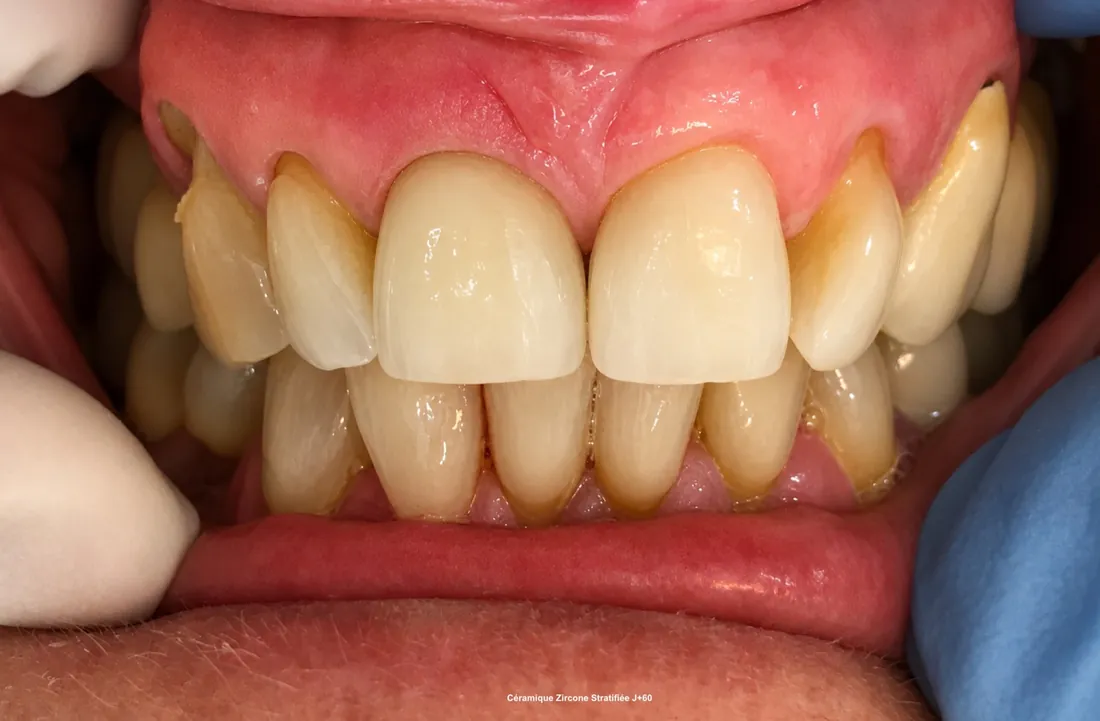
A complete clinical case, from the pre-operative situation to the final ceramic crown.
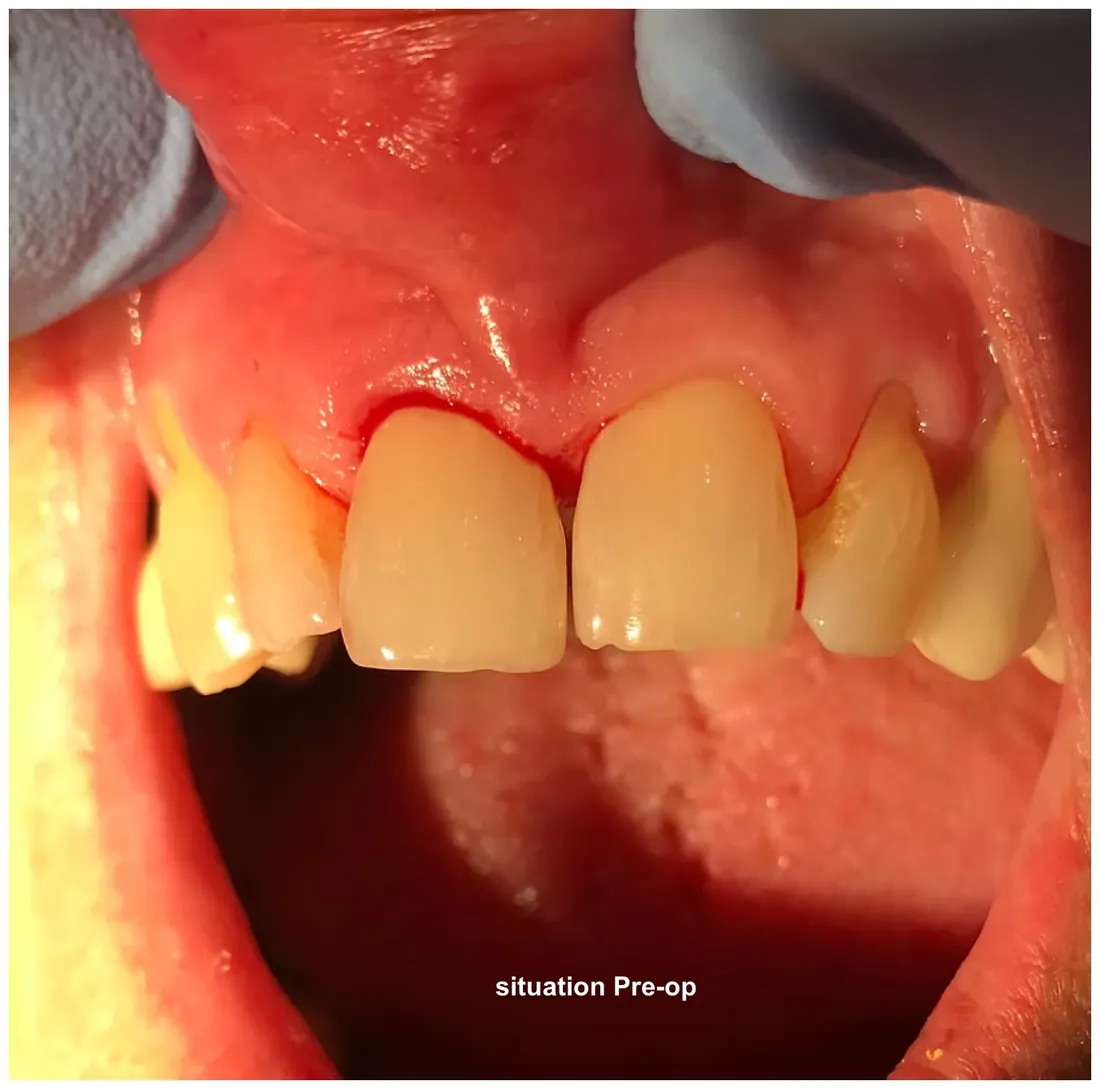
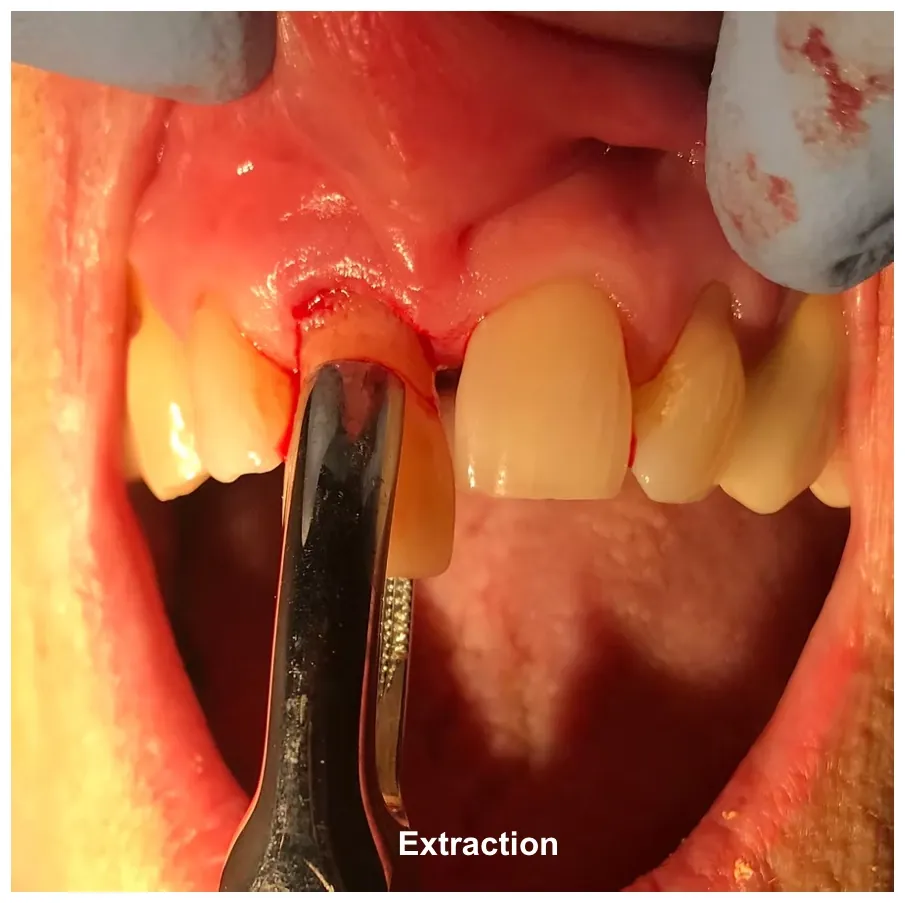
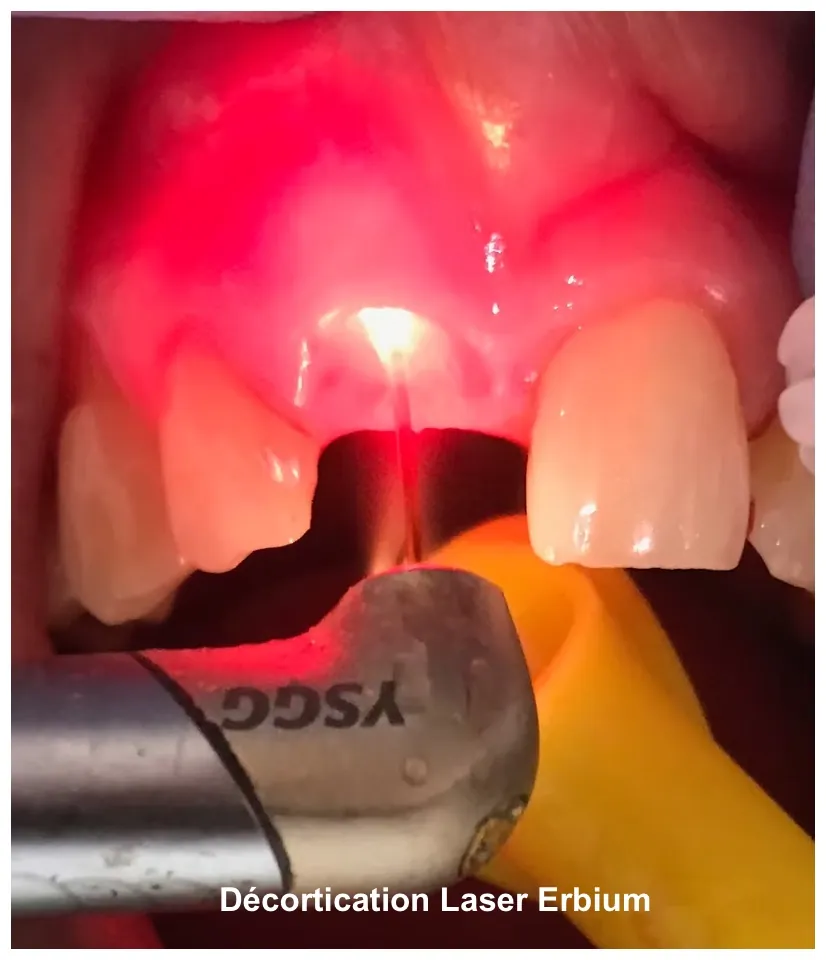
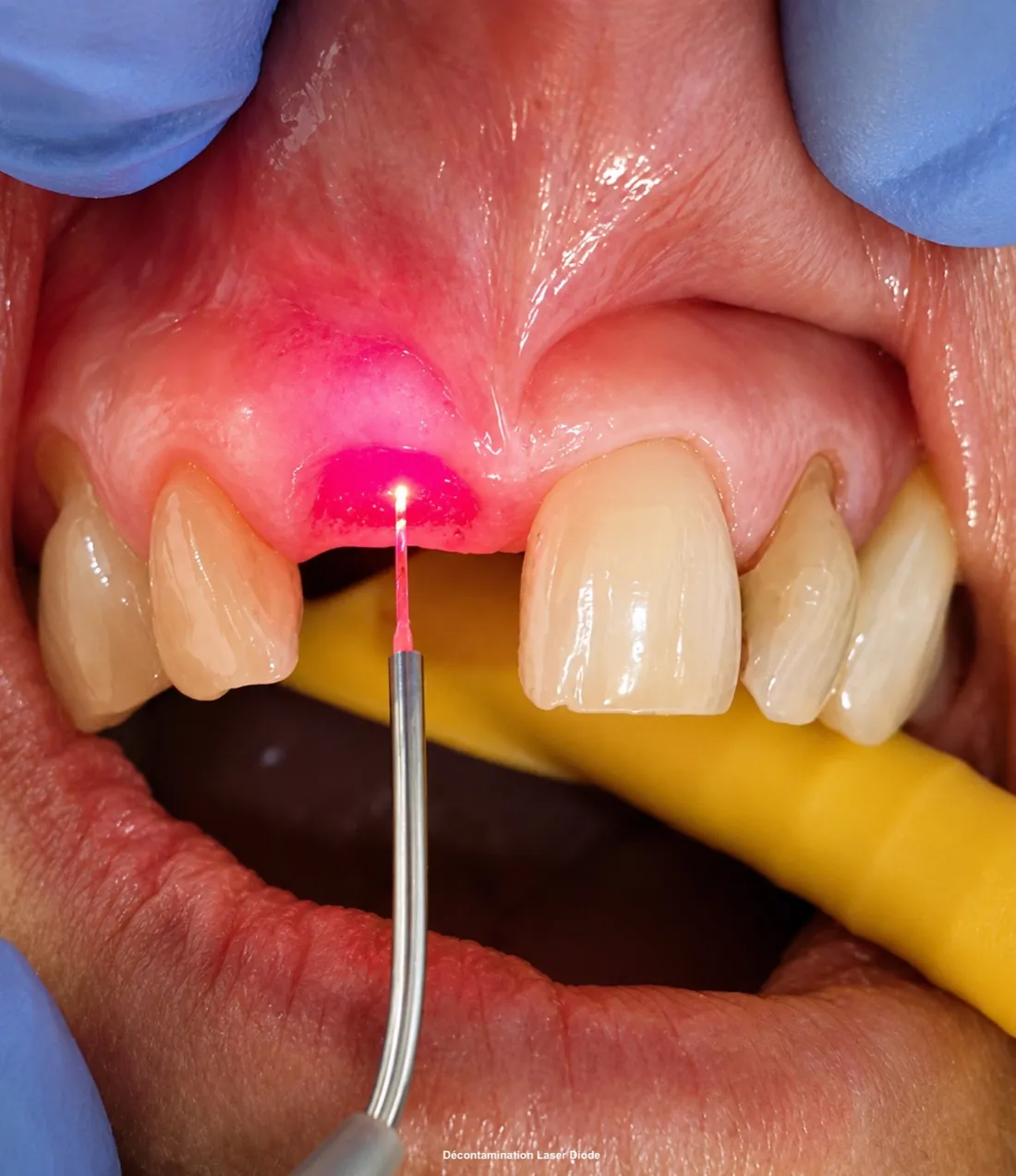
The team
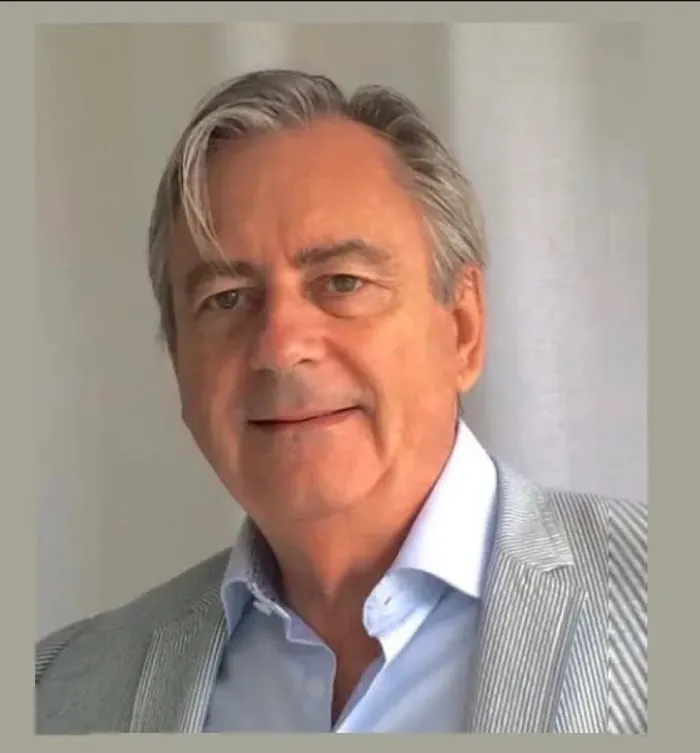
Dental surgeon · Implantology
LinkedIn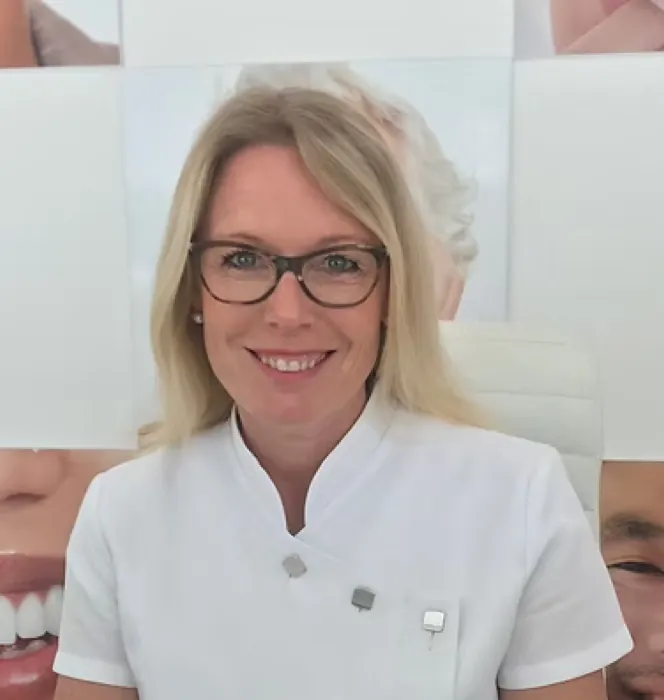
Administration & reception
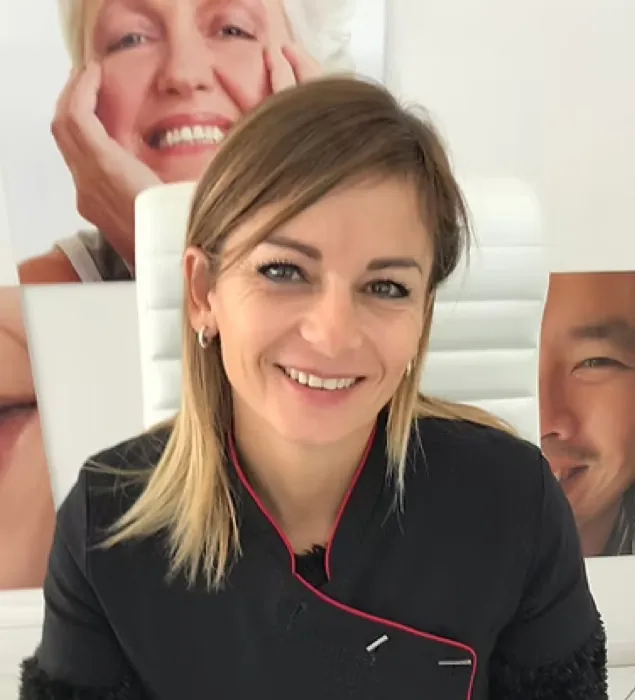
Qualified dental nurse
Your first appointment
You leave your first appointment with a clear diagnosis, the possible options and a written quote. Nothing is decided without your agreement.
Dr Chaumanet examines you, carries out a Cone Beam scan at the practice if needed, and shows you your 3D images to explain the situation.
The possible options are explained to you, with their advantages and limitations. You receive a detailed quote and can take time to think it over.
Under local anaesthetic, in most cases without incisions or stitches. Simple aftercare instructions and a follow-up appointment support the healing process.
Frequently asked questions
The minimally invasive protocol is carried out under local anaesthetic, without opening the gum and without stitches. Because there is no incision, post-operative after-effects and outward signs of the procedure are greatly reduced.
When the clinical situation allows, the extraction of the tooth, implant placement and the temporary crown can be carried out in a single appointment.
No. More than 98.5% of implants are placed using a minimally invasive protocol, without incisions or stitches.
A 3D X-ray examination (Cone Beam) of the jaws and face is carried out at the practice, so that the procedure can be planned precisely.
A free, personalised quote is provided after the initial assessment. The practice is registered with French national health insurance (conventionné) and accepts bank cards, cheques and cash.
In the vast majority of cases, yes. Rather than being filled in, the bone is shaped by condensation and expansion, and in the posterior upper jaw a sinus floor elevation can be performed without grafts or biomaterials. The 3D assessment confirms whether this is feasible.
The cost depends on the number of implants, the crown chosen and the condition of the bone. A detailed, free quote is provided after the initial assessment, before you commit to anything; the crown on the implant may be partly covered by French national health insurance (Assurance Maladie) and your top-up insurance (mutuelle).
Yes. The practice is on the seafront in Villeneuve-Loubet, between Cagnes-sur-Mer and Antibes, around fifteen minutes from Nice and Nice Côte d'Azur Airport. Parking is available nearby, and Villeneuve-Loubet-Plage TER station is a few minutes’ walk away. Patients come from all along the Riviera, from Cannes to Menton, as well as from Monaco and Italy, as the practice is close to the A8 motorway.
The practice welcomes patients in French, English, German, Spanish and Italian.
The practice is at 64 Boulevard Brigitte Bardot, Résidence Baie des Anges, Villeneuve-Loubet. It is open Monday to Thursday, 9.00 am to 5.30 pm (phone line open from 8.30 am).
Appointments
Consultations by appointment, Monday to Thursday. Book online 24/7 on Doctolib, or call the practice directly.
Already a patient of the practice? Share your review on Google
Institute of Oral & Implant Surgery
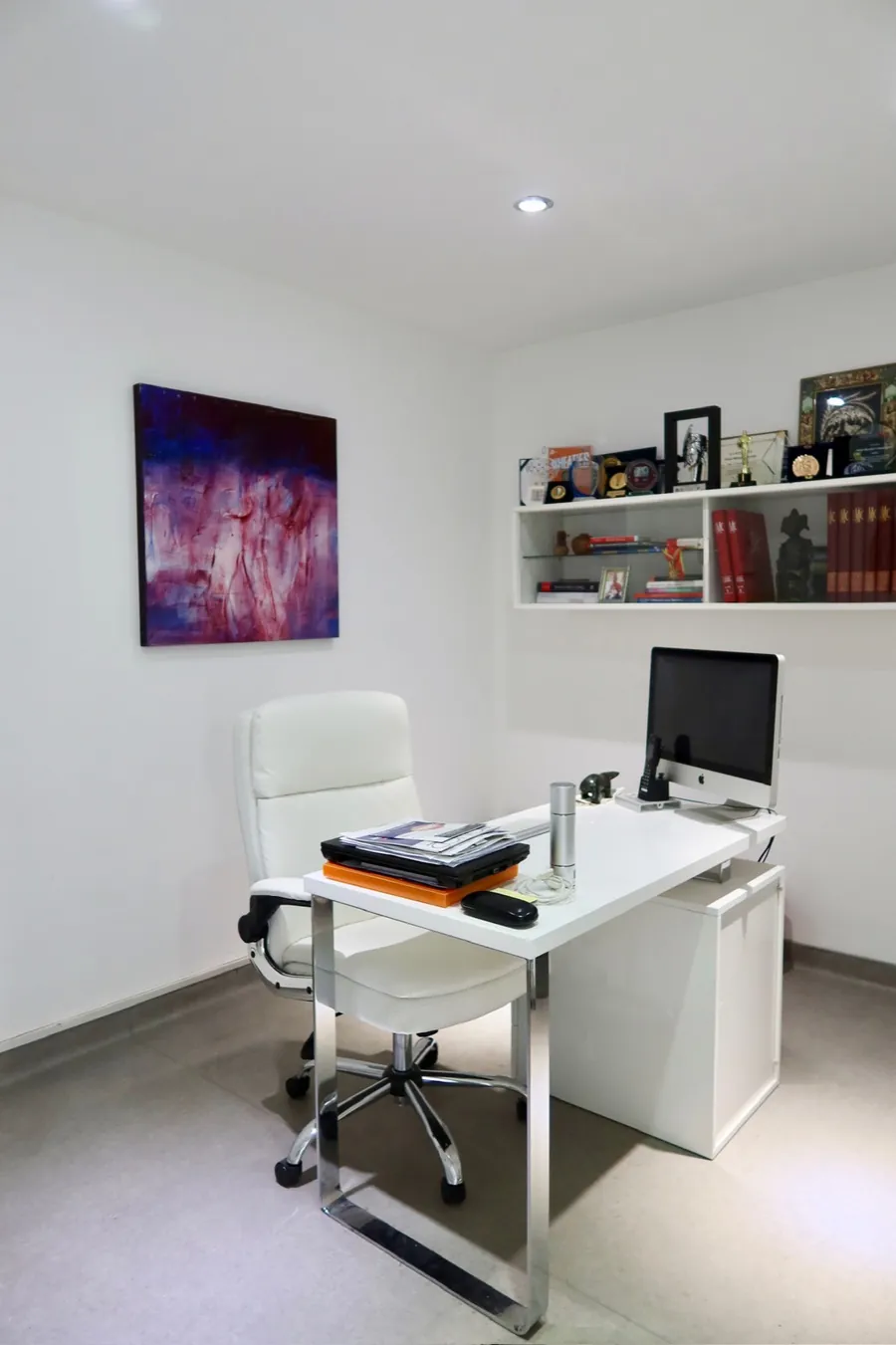
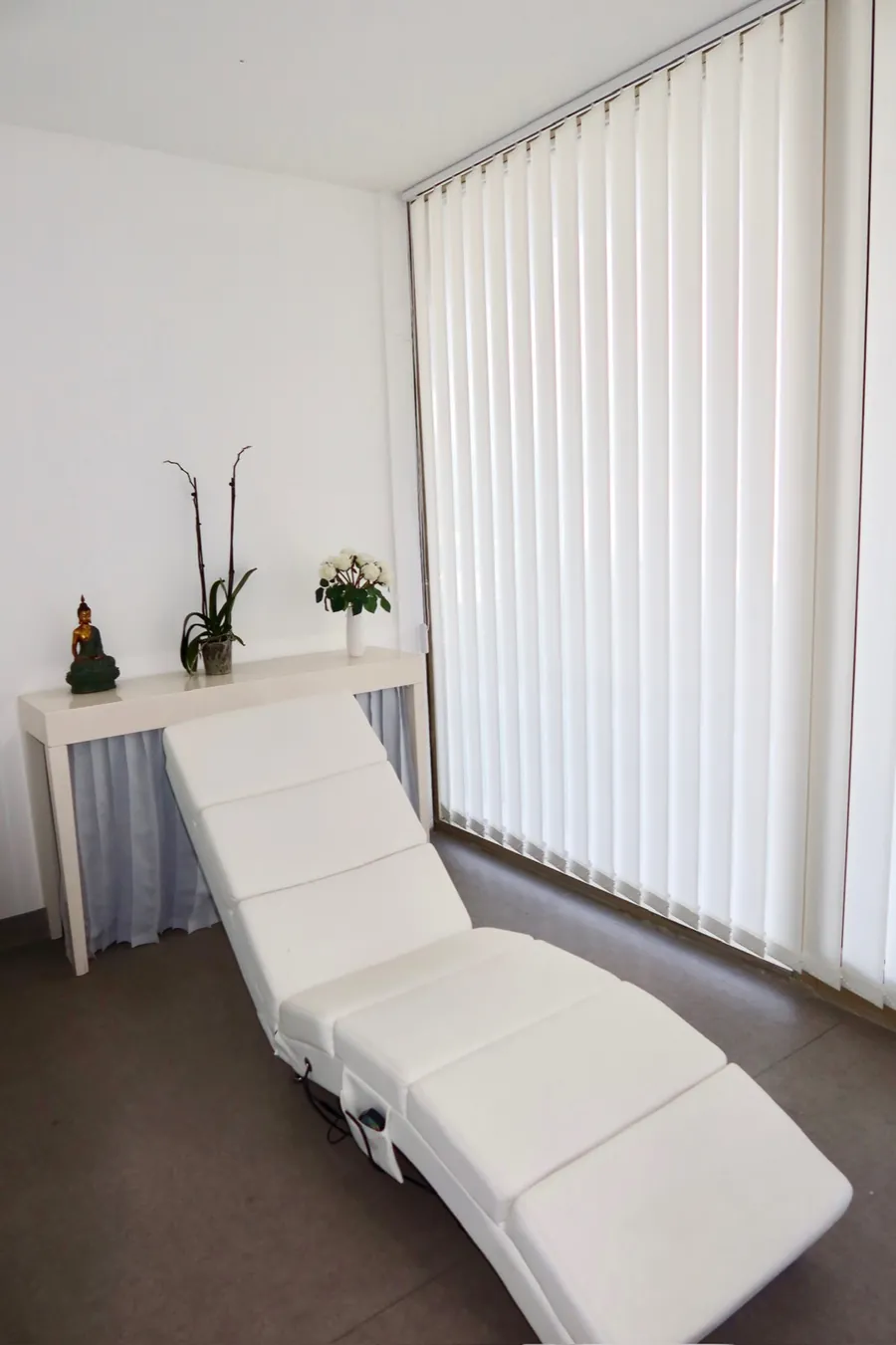
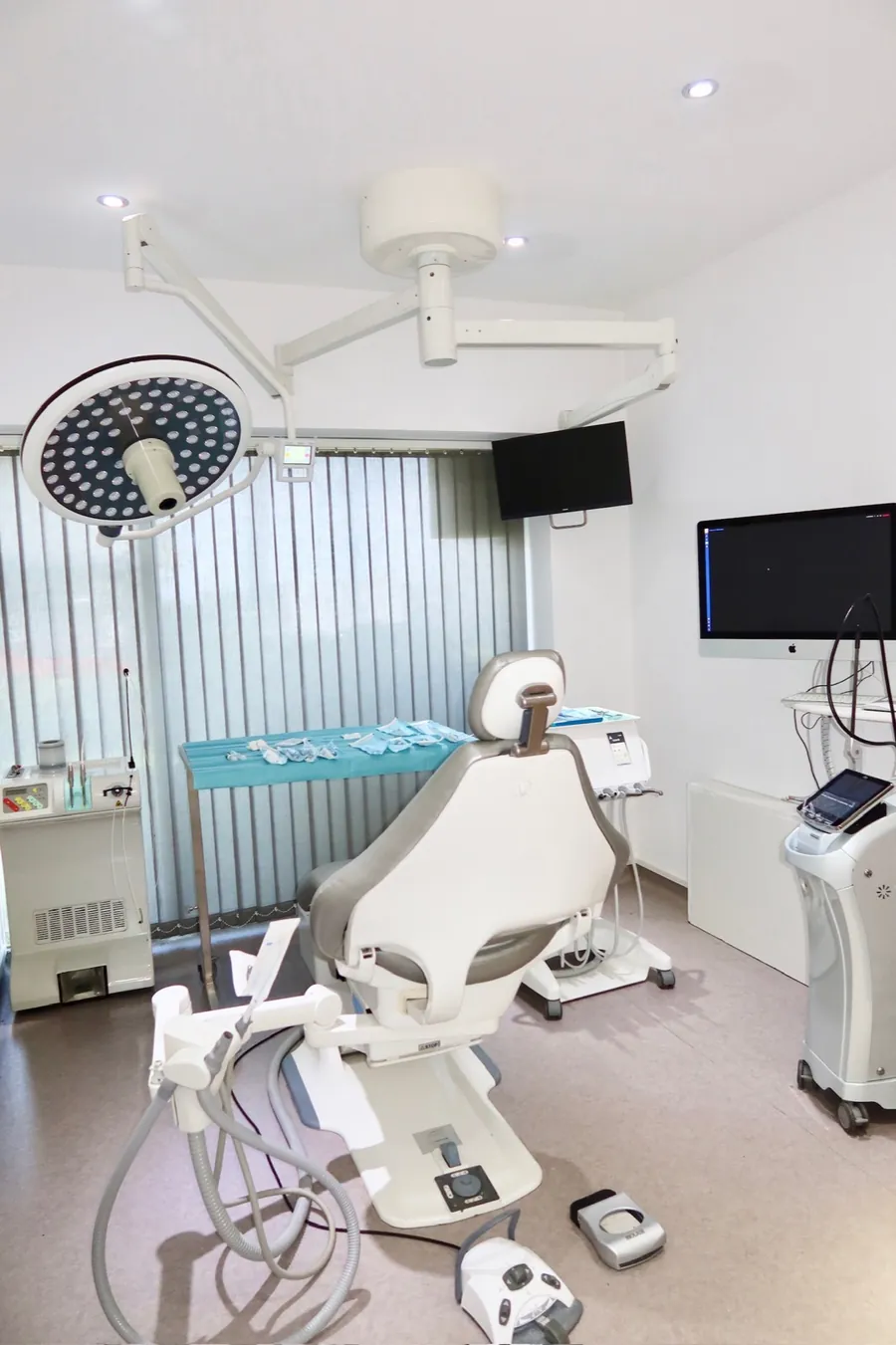
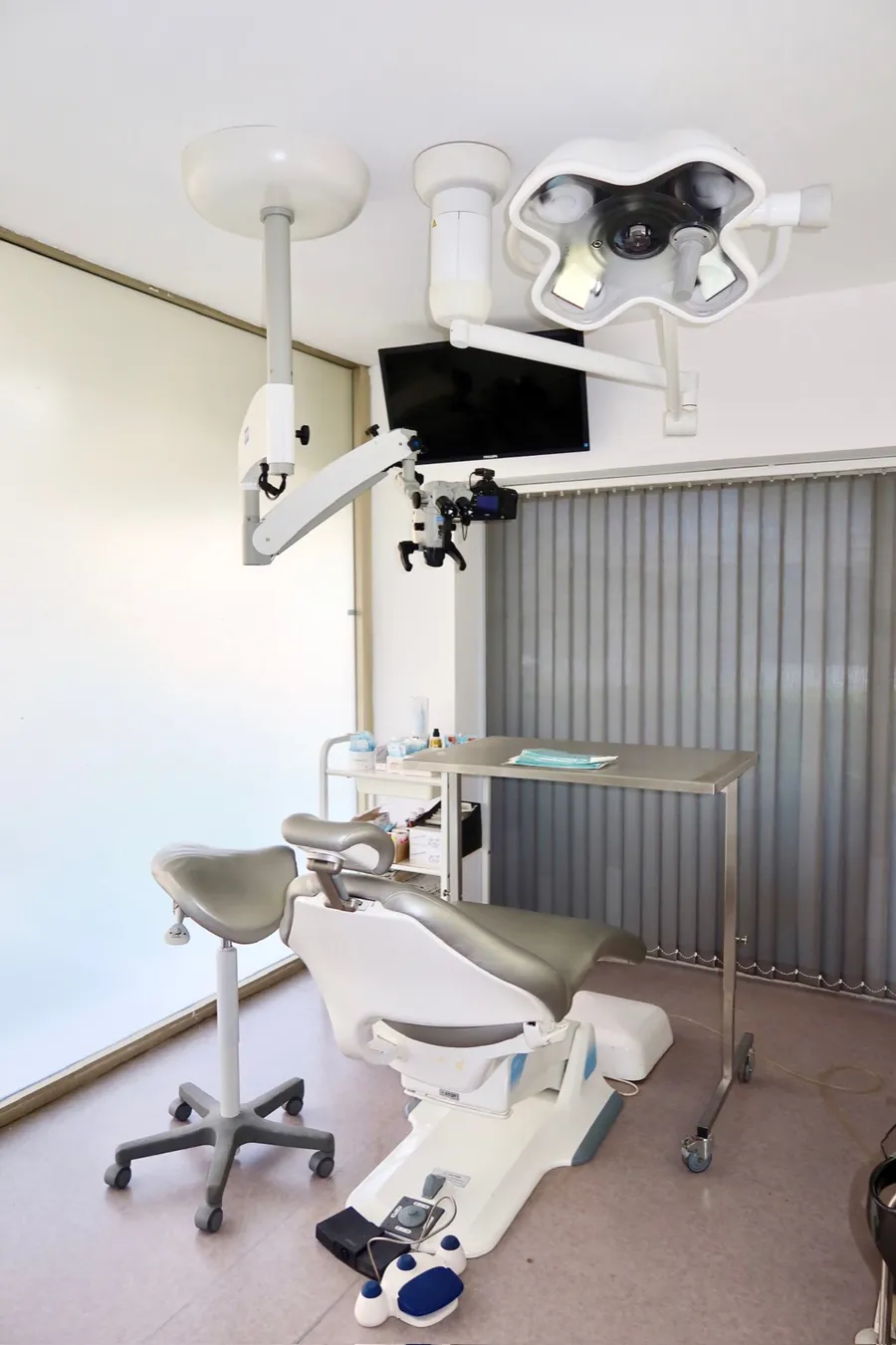
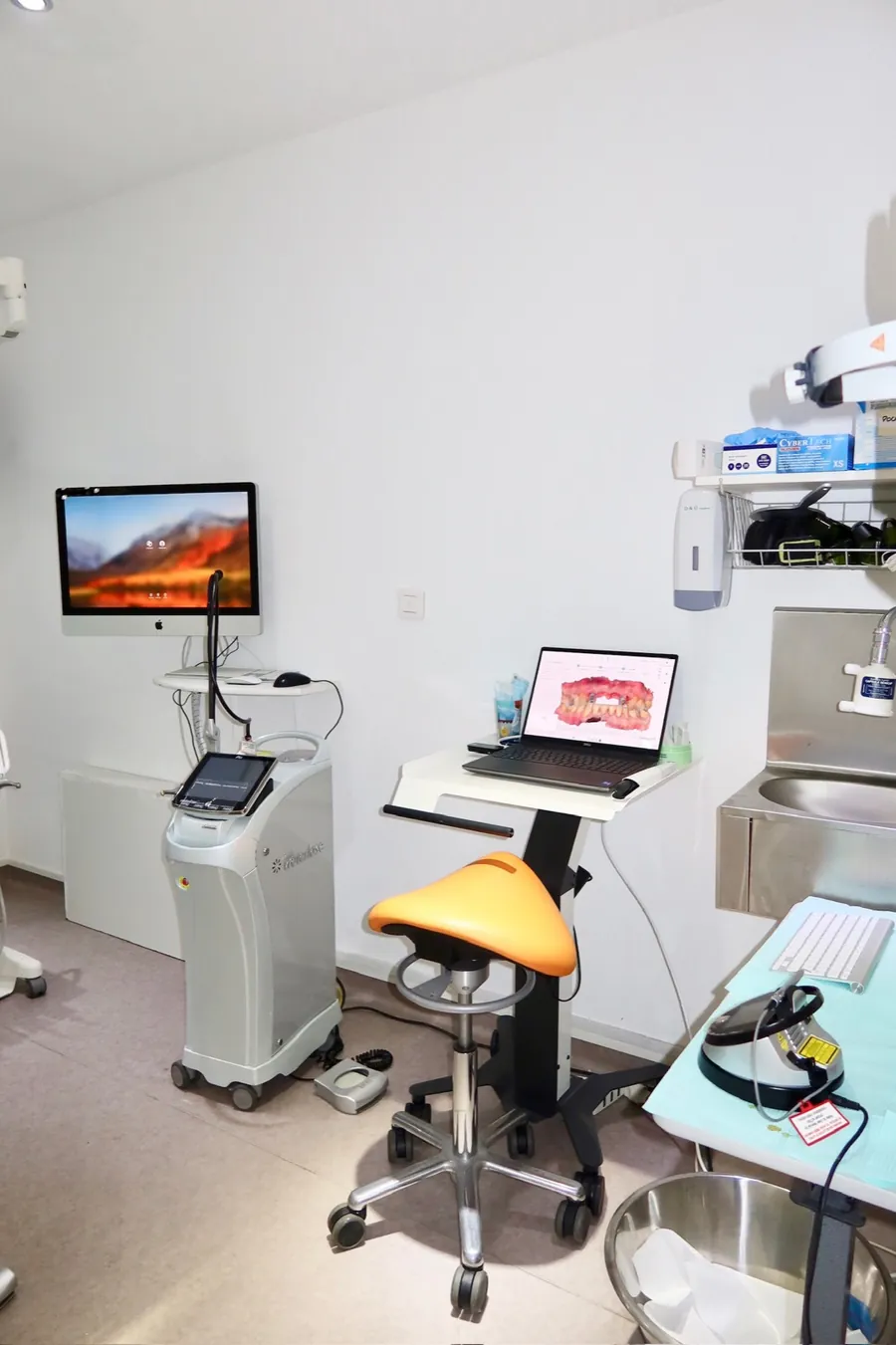
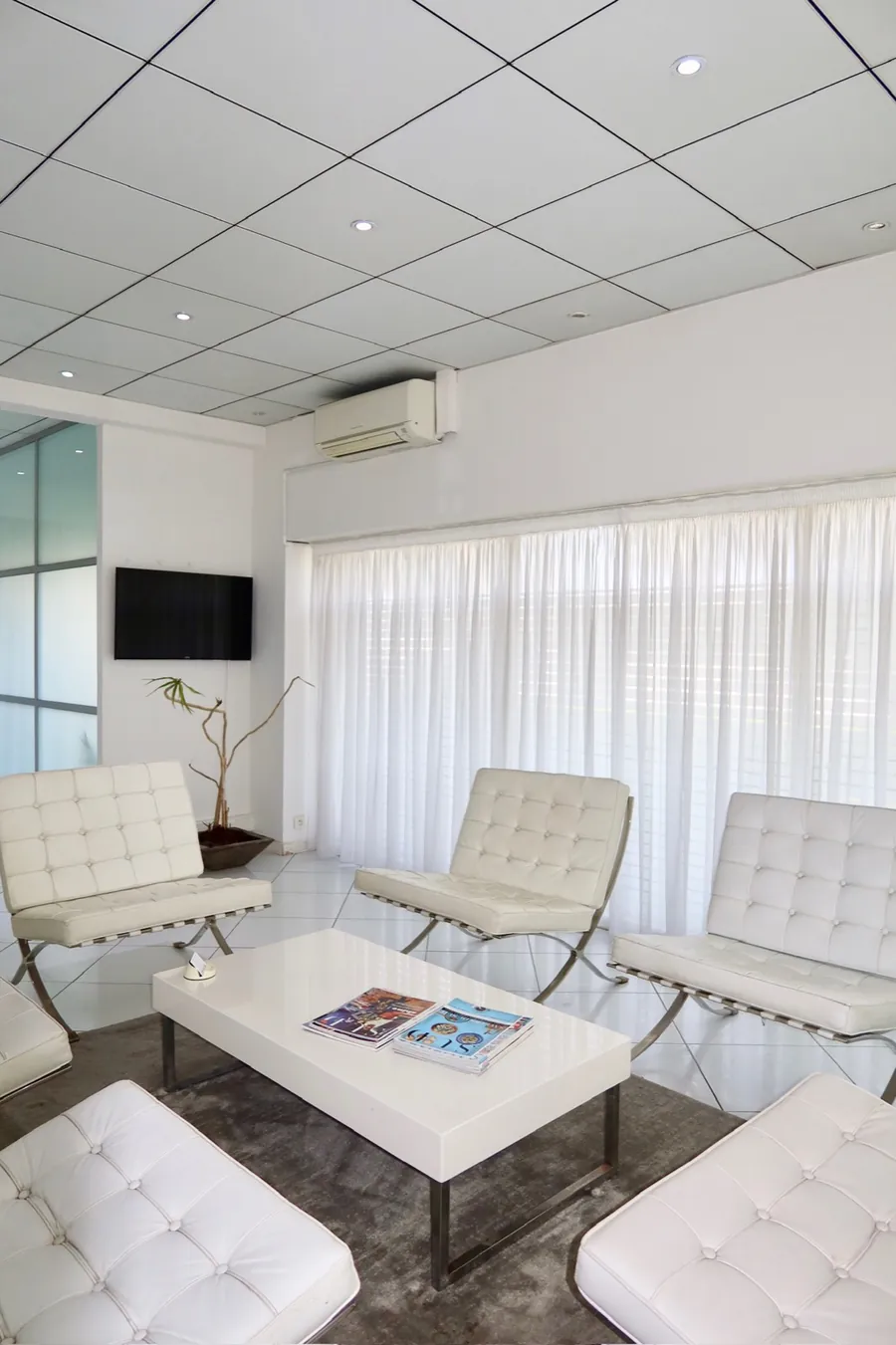
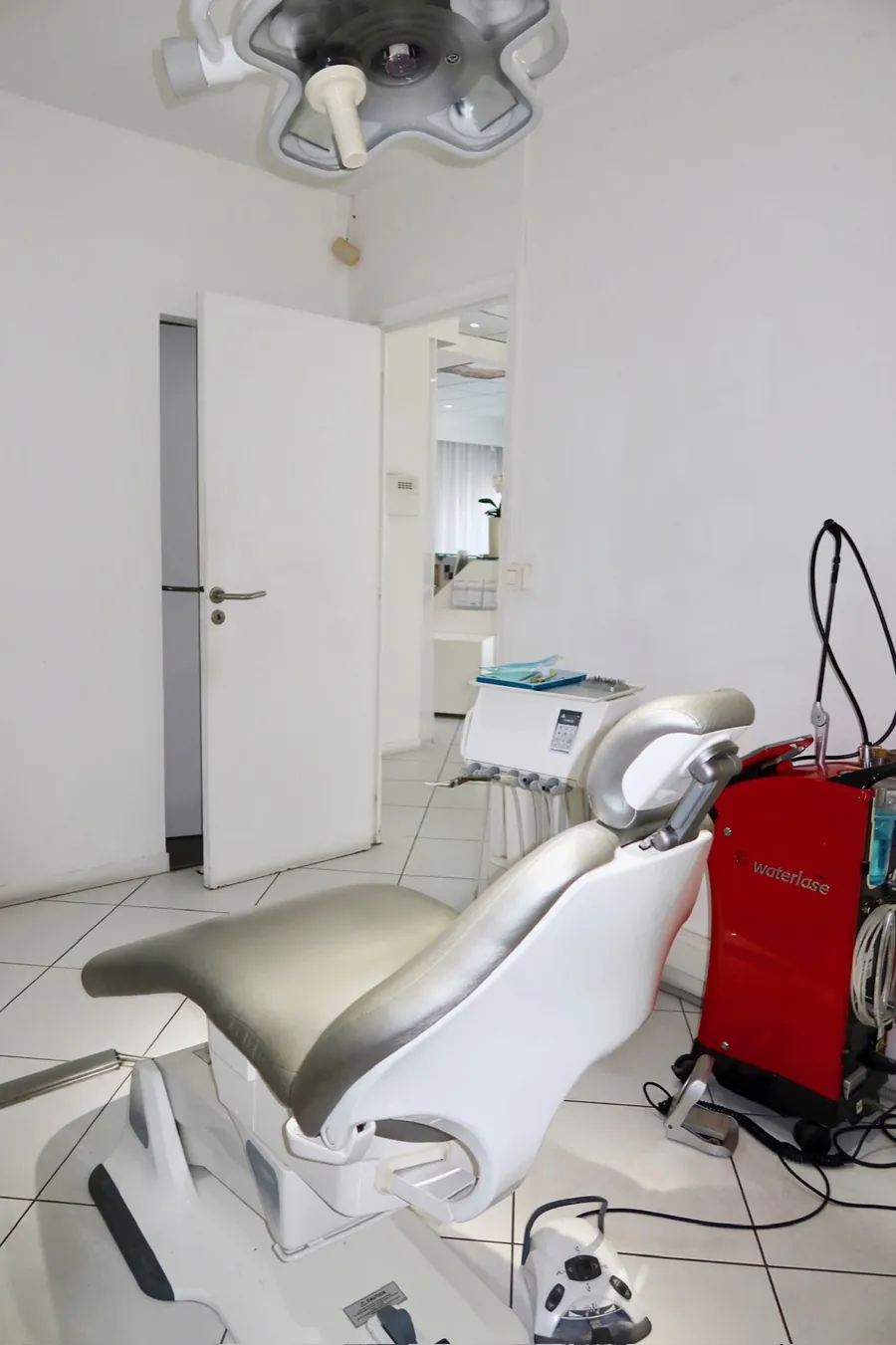
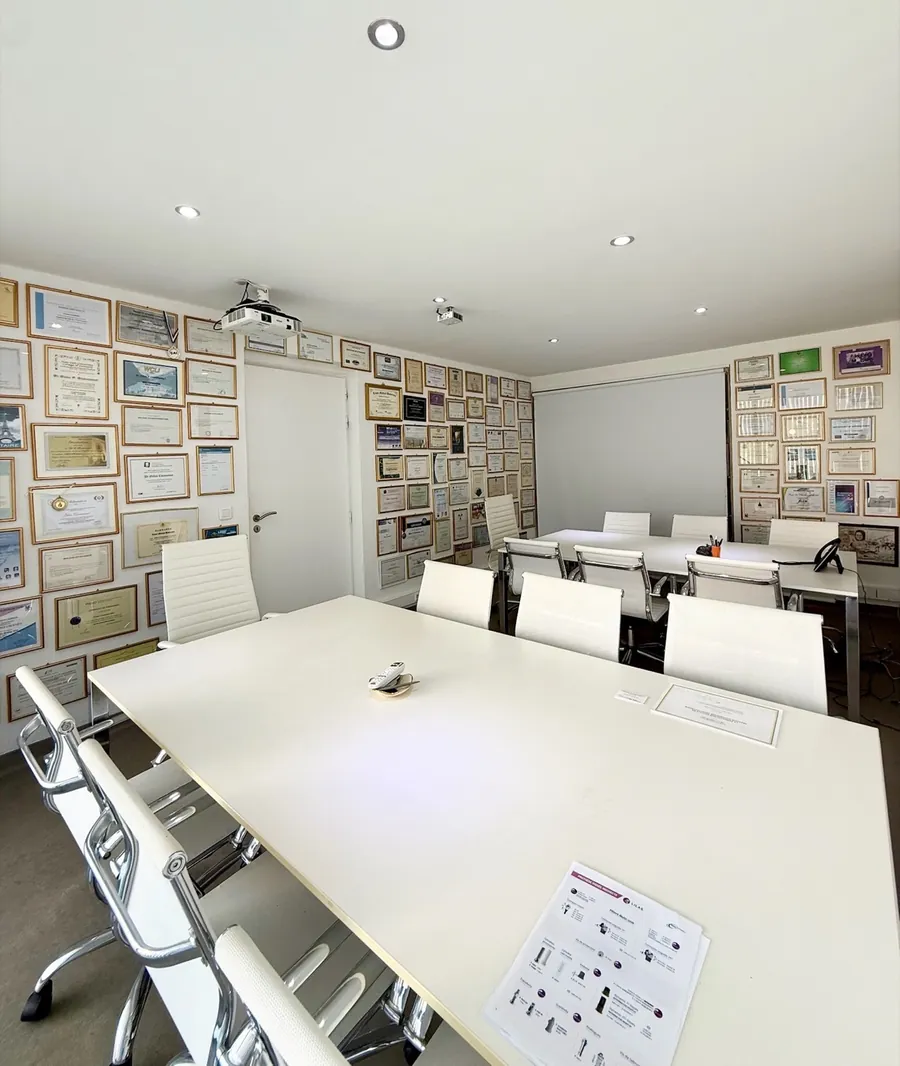
Reception, treatment rooms and clinical facilities in the heart of the Baie des Anges: surgical microscope, 3D Cone Beam imaging and medical lasers.
Practical information
A fully equipped clinical facility in the heart of the Baie des Anges: operating microscope, 3D imaging and medical lasers, at 64 Boulevard Brigitte Bardot, Villeneuve-Loubet.
64, Boulevard Brigitte Bardot
Résidence Baie des Anges
06270 Villeneuve-Loubet, France
Phone line: Monday to Friday from 8.30 am
+33 4 97 10 00 80
dr.chaumanet@gmail.com
Registered with French national health insurance (conventionné) · Free quotes · Bank cards, cheques and cash accepted
64 Boulevard Brigitte Bardot
Résidence Baie des Anges · 06270 Villeneuve-Loubet
The map is provided by Google Maps, which may set cookies.