Implantologie ohne Knochenersatzmaterialien
Keine Knochenersatzmaterialien tierischen oder menschlichen Ursprungs – ausschließlich natürliche Regeneration.
Oralchirurgie · Implantologie · Parodontologie · Laser
Extraktion, Implantat und provisorischer Zahn am selben Tag, sofern die klinische Situation es erlaubt.
Ohne Skalpell und ohne Naht, ohne Knochenersatzmaterialien, mit auf ein Minimum reduzierten Blutungen und postoperativen Beschwerden … allein die Präzision des Lasers. Über 42 Jahre Erfahrung für Sie.
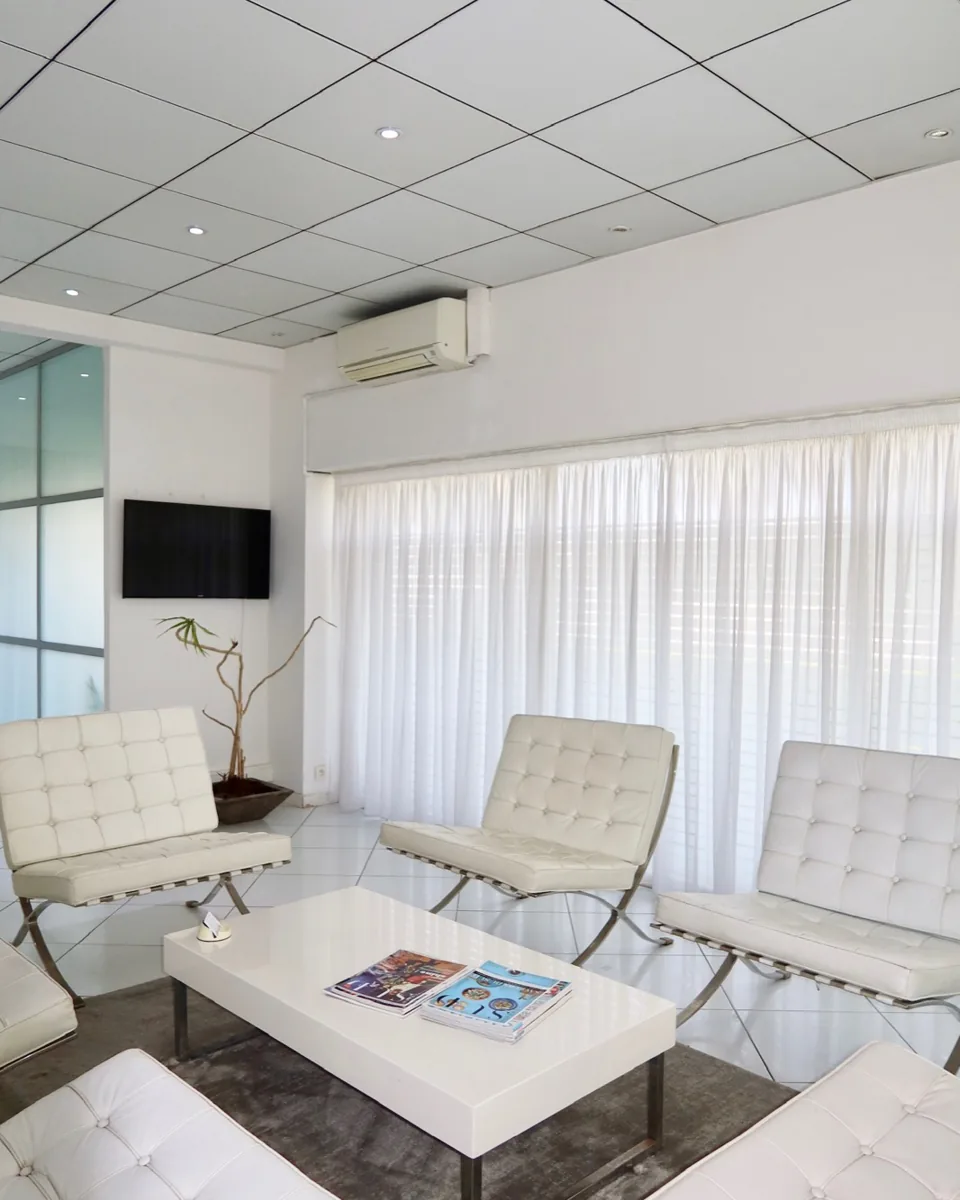 Direkt am Meer · Baie des Anges
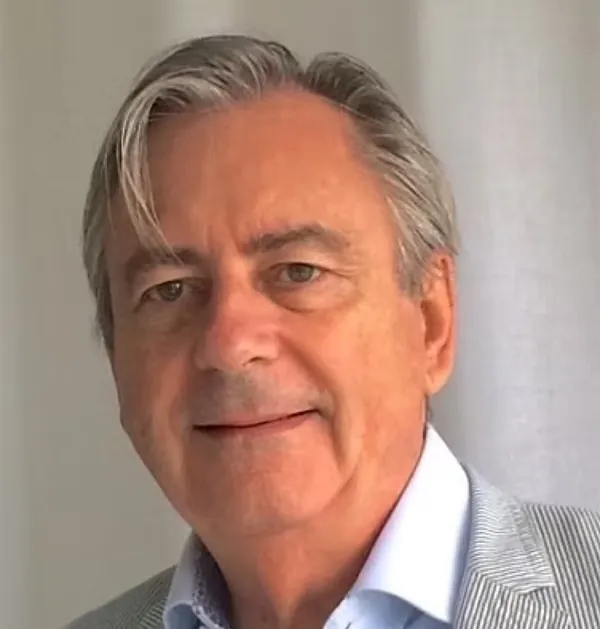
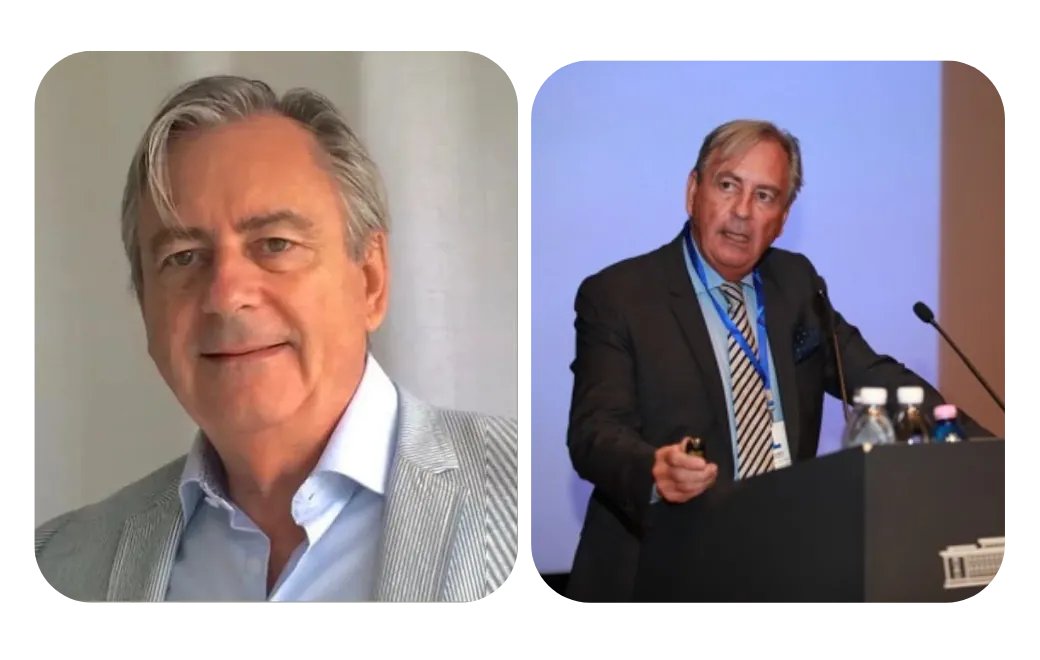
Profil
Dr. Gilles P. Chaumanet praktiziert und lehrt seit über 42 Jahren minimalinvasive Oralchirurgie und Implantologie. Mithilfe von Lasern, CAD/CAM und digitaler Volumentomographie (3D-DVT, Cone Beam) setzt er Implantate ohne Eröffnung des Zahnfleischs und ohne Knochenersatzmaterialien – mit größtmöglicher Präzision und Sicherheit.
Als ehemaliger Dozent an verschiedenen ausländischen Universitäten und international tätiger Referent ist er zudem Gründer des International Institute of Laser Implantology (IILI).
Keine Knochenersatzmaterialien tierischen oder menschlichen Ursprungs – ausschließlich natürliche Regeneration.
Vollständige Dekontamination, Biostimulation und größtmögliche Gewebeschonung durch den Einsatz mehrerer Laser.
Master in Implantology & Periodontology — NYU, New York, USA. Lehrt seine eigenen Protokolle weltweit. Botschafter von learnlasers.com und der Academy of Laser Education.
Das Konzept
Das minimalinvasive Protokoll vermeidet die Eröffnung des Zahnfleischs: kein Schnitt, keine Naht, keine äußerlich sichtbaren Spuren des Eingriffs. Über 98,5 % der Implantate werden nach diesem Protokoll gesetzt.
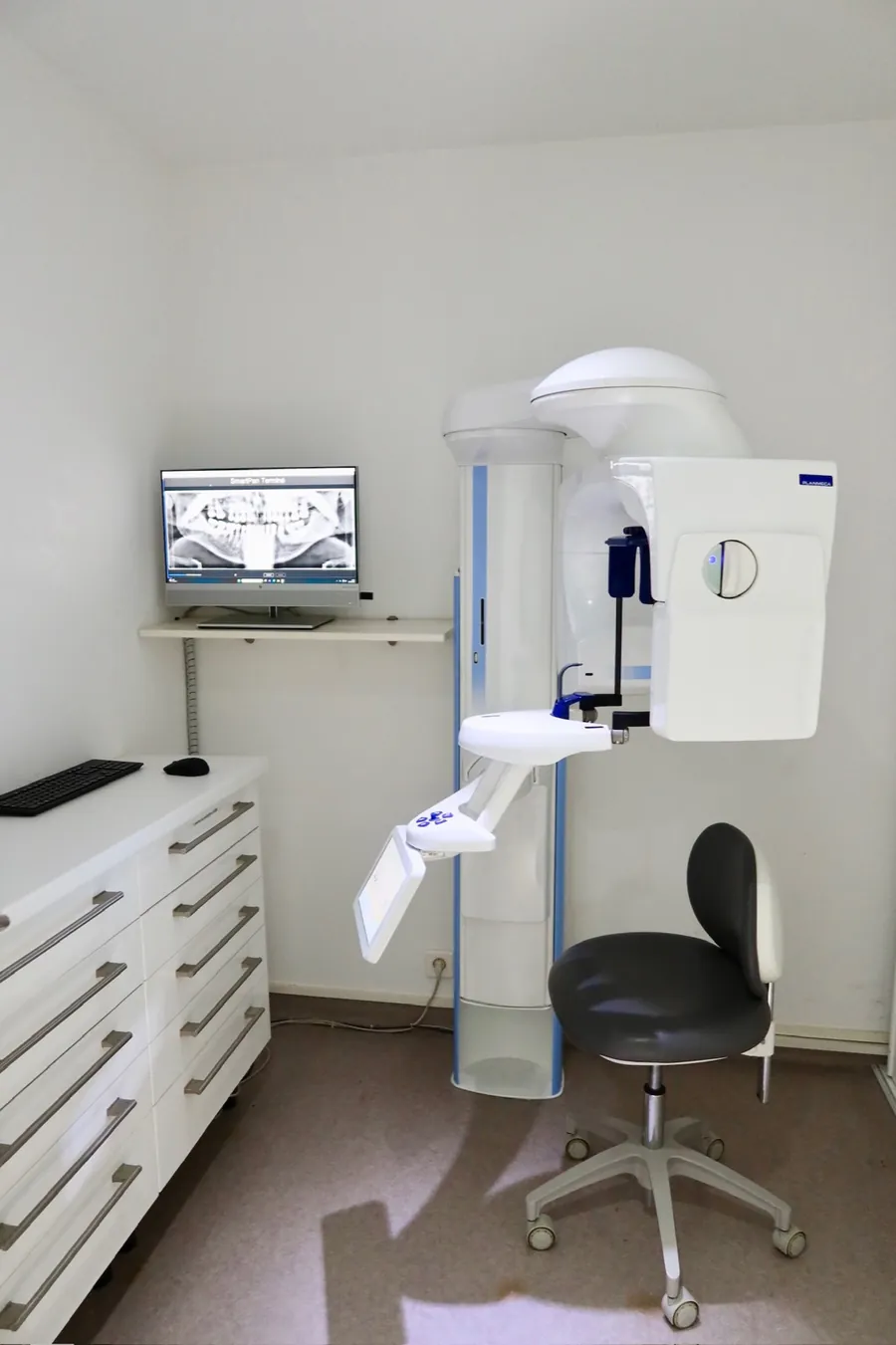
Eine dreidimensionale Röntgenaufnahme (DVT, Cone Beam) von Kiefer und Gesichtsschädel dient der Planung des Eingriffs.
Das Implantat wird mithilfe des Lasers durch das Zahnfleisch hindurch gesetzt – ohne Lappenbildung und ohne Schnitt. Keine Naht, keine sichtbare Narbe.
Extraktion, Implantatinsertion und provisorische Krone können am selben Tag erfolgen, sofern die klinische Situation es erlaubt.
Ein laserbasiertes Vorgehen ohne Knochenersatzmaterialien, bei dem sich das Gewebe auf natürliche Weise regenerieren kann.
Behandlungen
Minimalinvasive Insertion von Zahnimplantaten, ohne Schnitt und ohne Naht.
Desinfektion, Dekontamination und Biostimulation des Gewebes mit dem medizinischen Laser.
Dreidimensionale Röntgenuntersuchung von Kiefer und Gesichtsschädel, chirurgische Navigation und präziser digitaler Abdruck mit dem Intraoralscanner – direkt in der Praxis.
Metallfreie, biokompatible Keramikrestaurationen (Emax / Zirkonoxid).
Minimalinvasive chirurgische Parodontalbehandlungen von Zahnfleisch und Zahnhalteapparat.
Biostimulation des Gewebes durch Lichttherapie (LLLT).
Zur Vertiefung
Eine Lektüre für Kolleginnen und Kollegen: die biologischen und klinischen Grundlagen der laserassistierten minimalinvasiven Implantologie. Fachartikel auf Englisch.
To go further — Minimally invasive philosophy (for professionals only)
The principle of the minimally invasive implant surgery is more than a procedure, it is a full concept where all steps are contributing to reach the major keys for a long term implant outcome. Minimally Invasive Surgery is not only a surgical technique where smaller incisions are performed. It is also a coherent assessment where surgical impact and its associated products such as biomaterials or sutures are banned or at least minimised.
Minimally Invasive Implant placement shouldn't be only subtractive but a real rational tissue management where bone volumes are displaced by condensation or expansion ending by emphasizing the bone density. In raising the bone density the advantages are multiple like better primary stability and Bone/Implant Contact (BIC) that are the 2 most well spread cited factors for long-term implant survival and success. Immediate post-extractive implant placement is now accepted in clinical dentistry for reconstruction of partially or completely edentulous mandible or maxilla. Advantages of immediate implantation are numerous: post-extraction alveolar process resorption is reduced, diminution of surgical visits, shortening the treatment time by the diminution of the healing process, higher patient acceptance and satisfaction, improved functional and esthetic results. The clinical survival rates of immediately placed implants are comparable to those of implants placed following tooth extraction and wound healing. Preservation of the buccal plate allows precise implant placement, improves the prosthetic emergence profile and moreover preserves the morphology of the peri-implant soft tissues thereby affording improved esthetic-prosthetic performance. The surgical requirements for immediate implantation include extraction with the least trauma possible, preservation of the extraction socket walls and thorough alveolar curettage to eliminate all pathological material. Some new devices like mechanical periotomes or osteotomes coupled to laser technology can now be utilized to enhance these objectives. Then since we know that primary stability is an essential requirement the use of an aggressive implant shape and surface with deep threads combined to a condensation bone technique will help to reduce the healing period. The esthetic emerging profile issue will be achieved by a 1-2 mm sub-crest implant placement using a platform switching and a morse taper. This predictable treatment modality will lead to a high rate of crestal bone preservation with a minimally invasive approach.
But one of the first dilemma in immediate implant surgery is: shall we fill the gap (between implant and bone) or not? The major issue is represented by the fact that during healing this hiatus will be contaminated by germs and eventual undifferentiated cells from the epithelium lineas. We all know that the following cell competition will end up by a loss of bone. If we don't want to use bone substitutes, the only alternative will be Guided Bone Regeneration without Biomaterial Barrier Membrane and bone volume managing procedure. This supposes tissues themselves must have the sufficient barrier effect against any buccal fluid leakage. A bone regeneration must be induced by selectivity but we don't want to delay the catabolic phase. Such an arrangement can be found with a special management of natural fully biocompatible vital tissues, think autogenous like the periosteum and the use of platelet concentrates which are considered as innovative tools of regenerative medicine, particularly in oral and maxillofacial surgery.
In these conditions one of the key factors in immediate post extractional implant is represented by the vaporisation of the infected or potentially infected surface of the socket (collagen and Sharpey fibres + granulation tissue) that until now no other device or procedure can substitute and will contribute in reducing drastically the catabolic phase of healing or reconstruction.
Following these principles the catabolic phase during the healing time will be substantially reduced allowing a quicker loading and the esthetic outcome more predictable.
Another hot topic is the placement of implant under the sinus in the posterior maxilla. What choice should we make? Avoid the sinus cavity by placement of short implants or pterygoid implants, lateral sinus-lift or crestal approach? Grafting or non grafting? Delayed, early or immediate loading? So many questions and complicated solutions when an original, easy and predictable surgical technique will allow the placement of endosseous implants in the atrophic posterior maxilla in conjunction with sinus elevation without bone grafting ending in a reduced healing period with significant amount of bone formation around the implants at the sinus floor, resulting in successful restorations and eliminating the need for bone grafting.
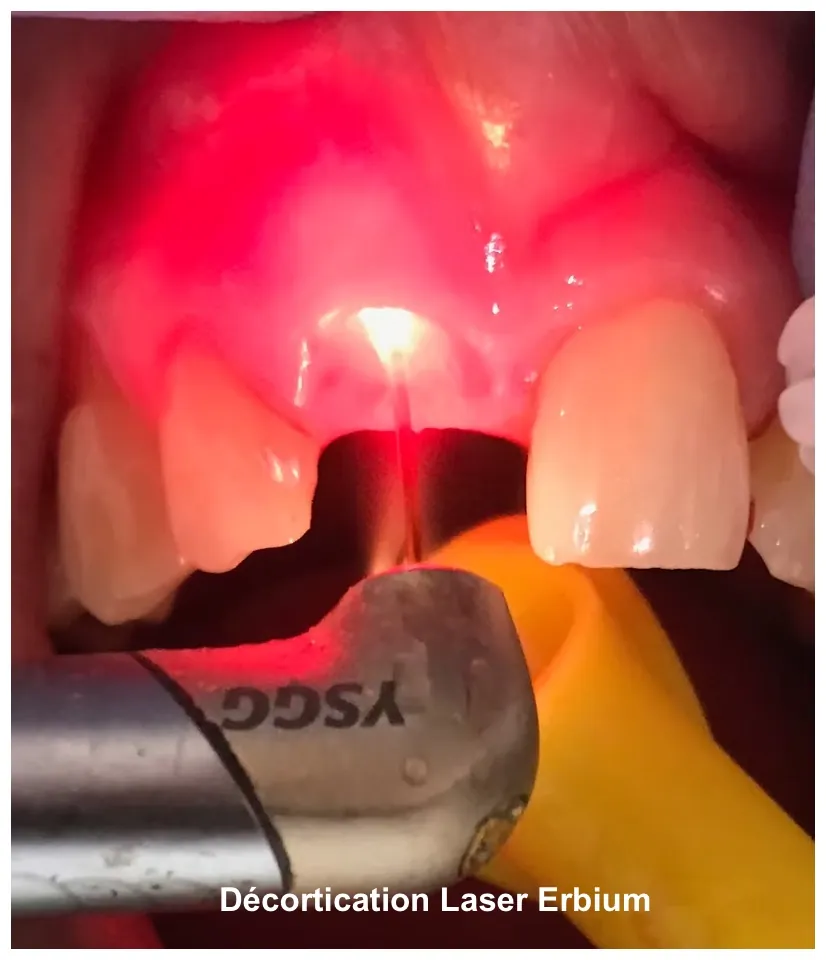
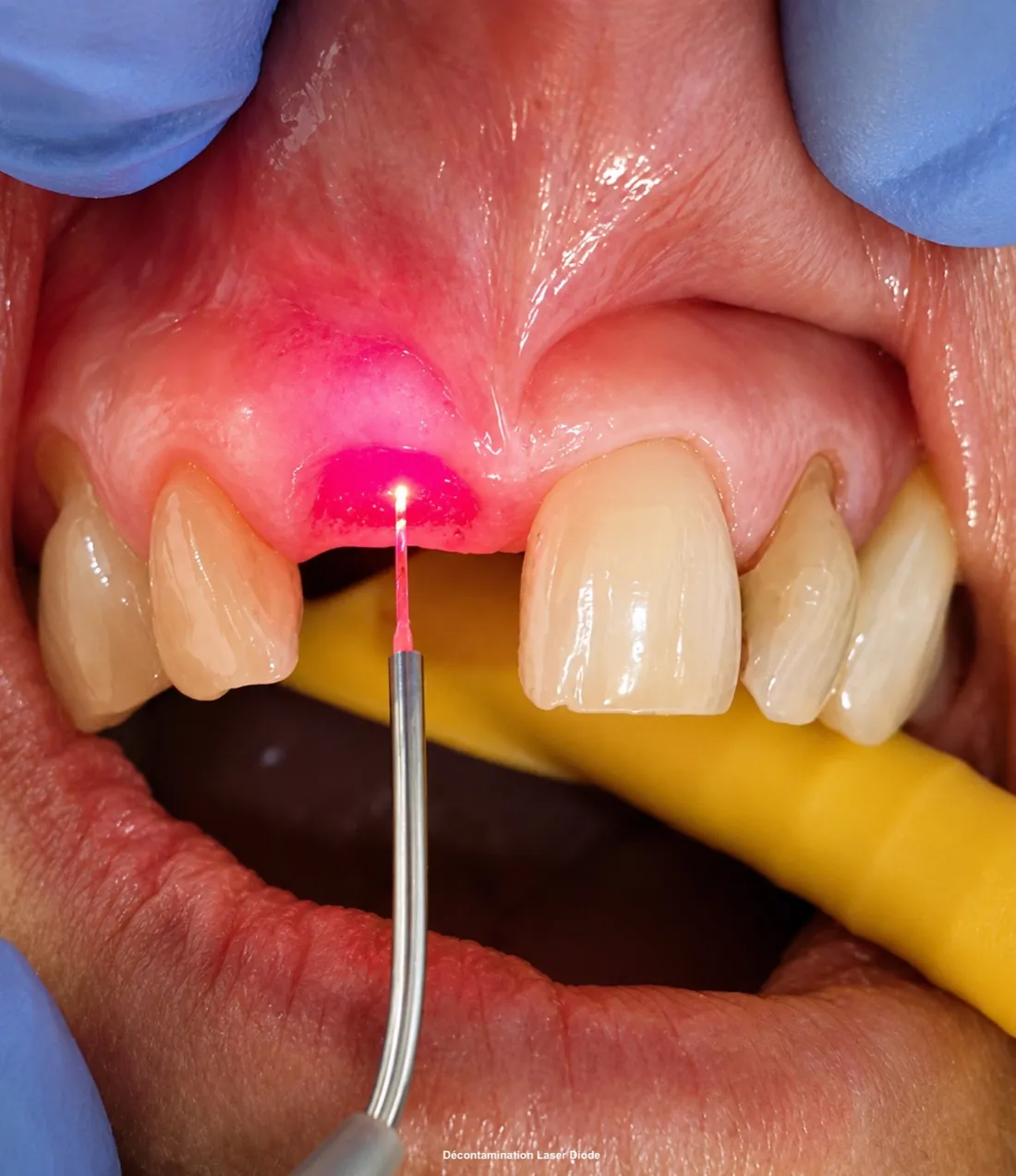
In simple terms, the first laser is ablative, whereas the second provides deep decontamination and disinfection of the surgical site without altering the structural integrity of the tissues.
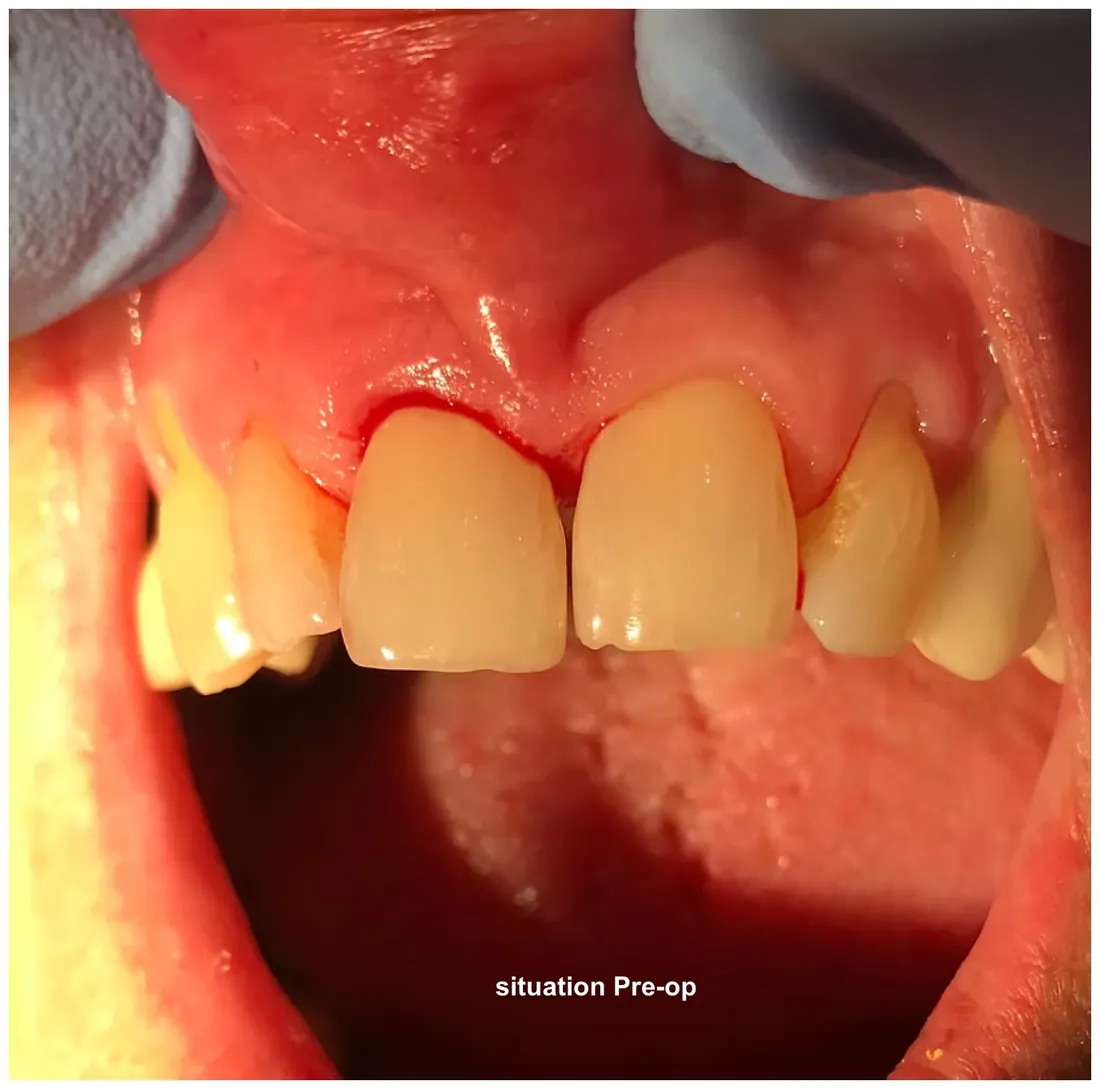
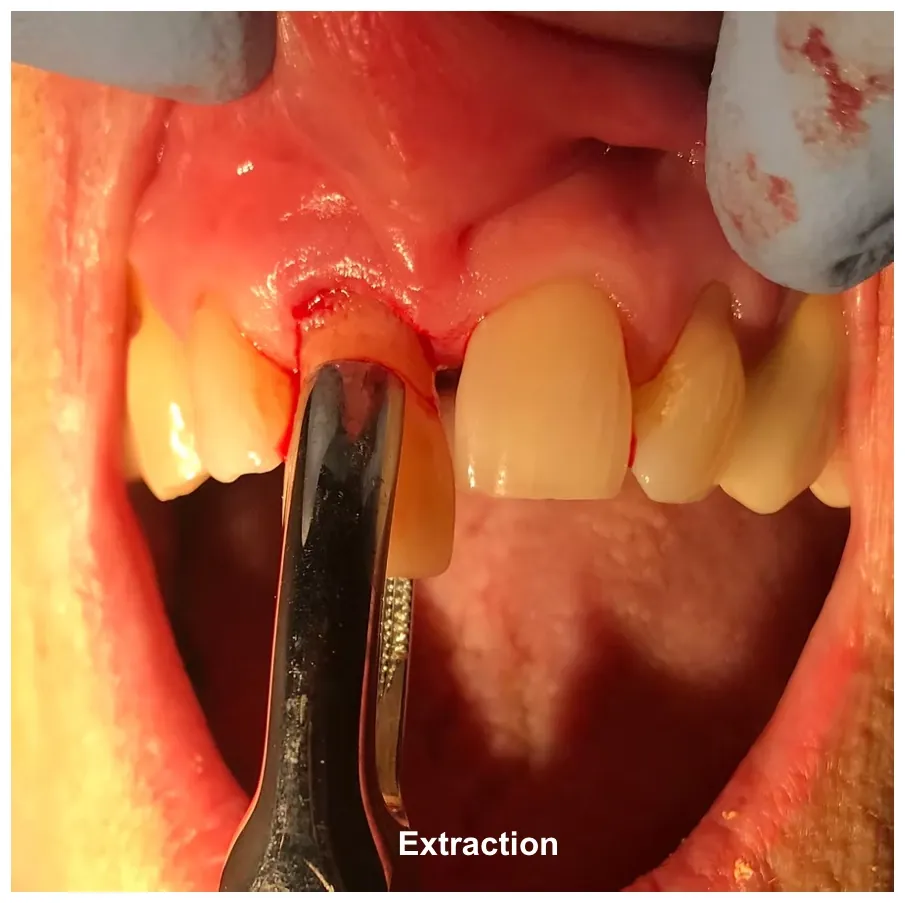
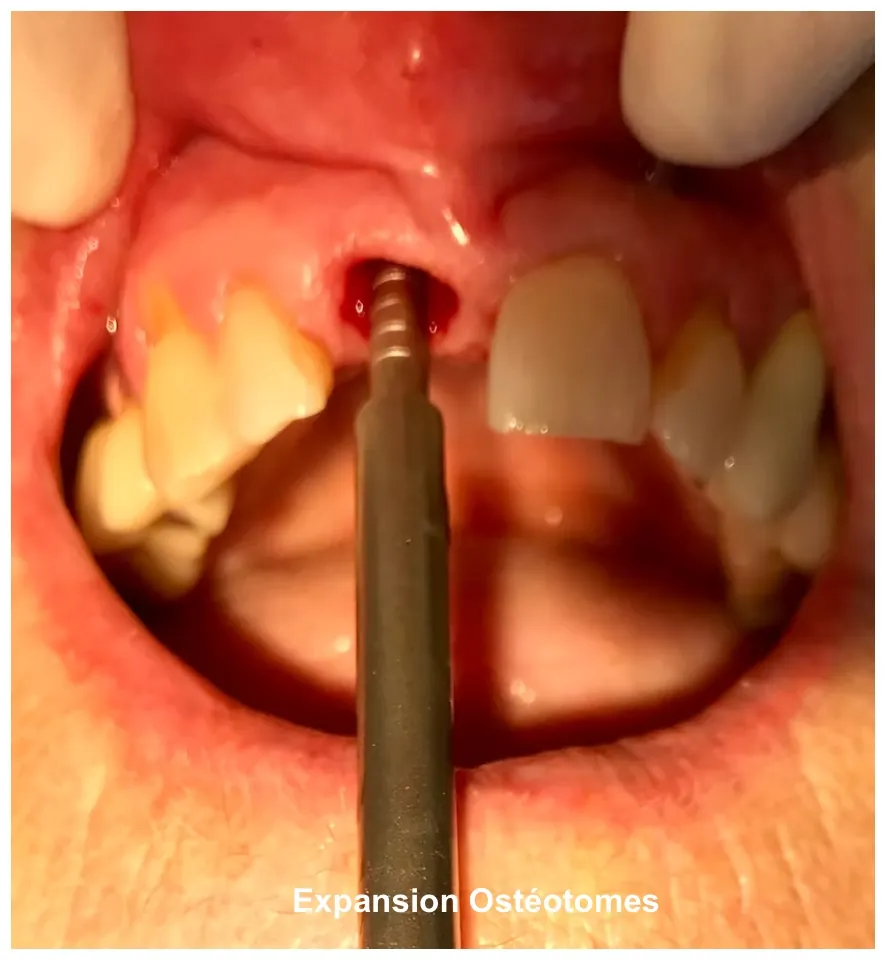
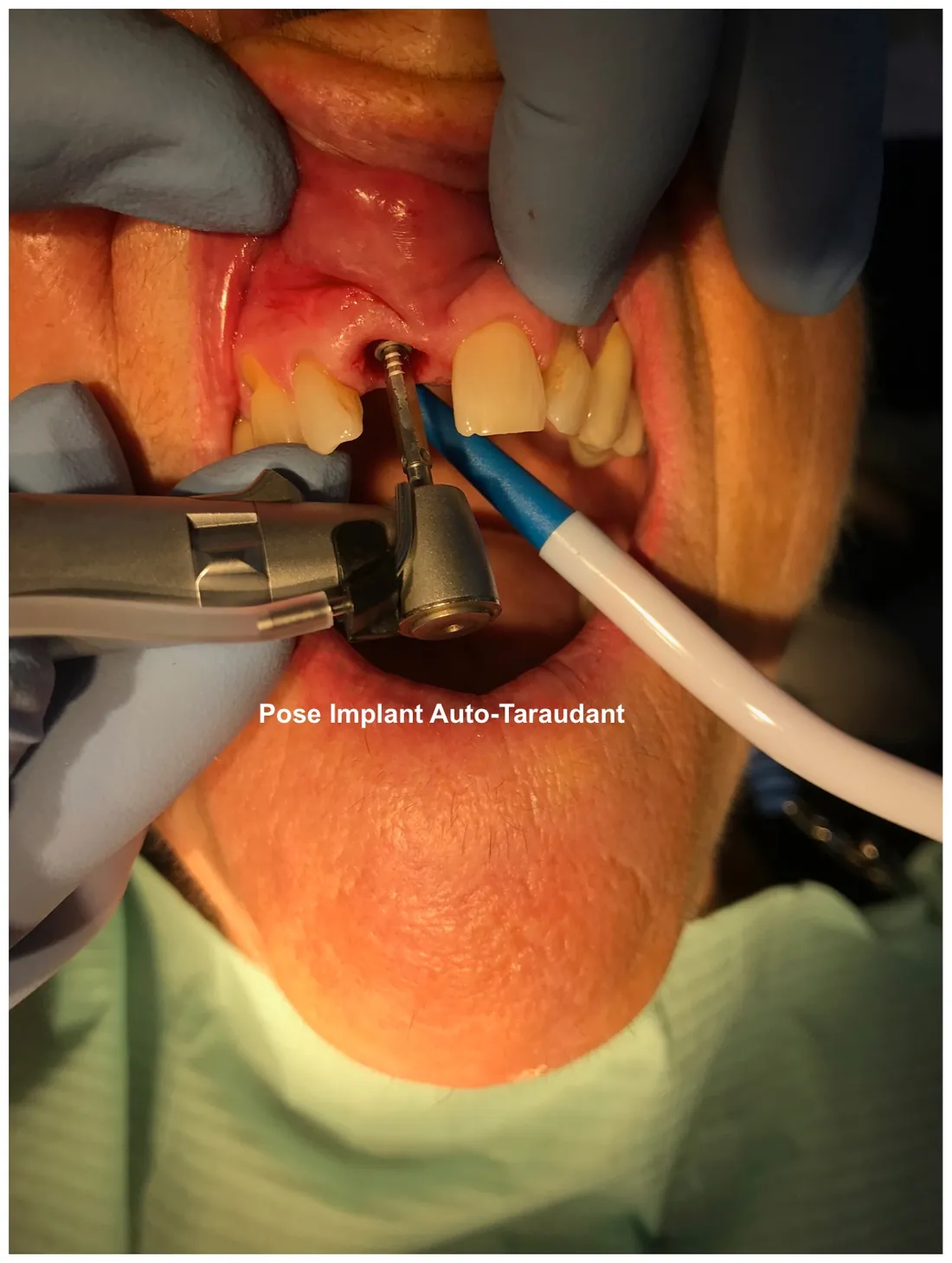
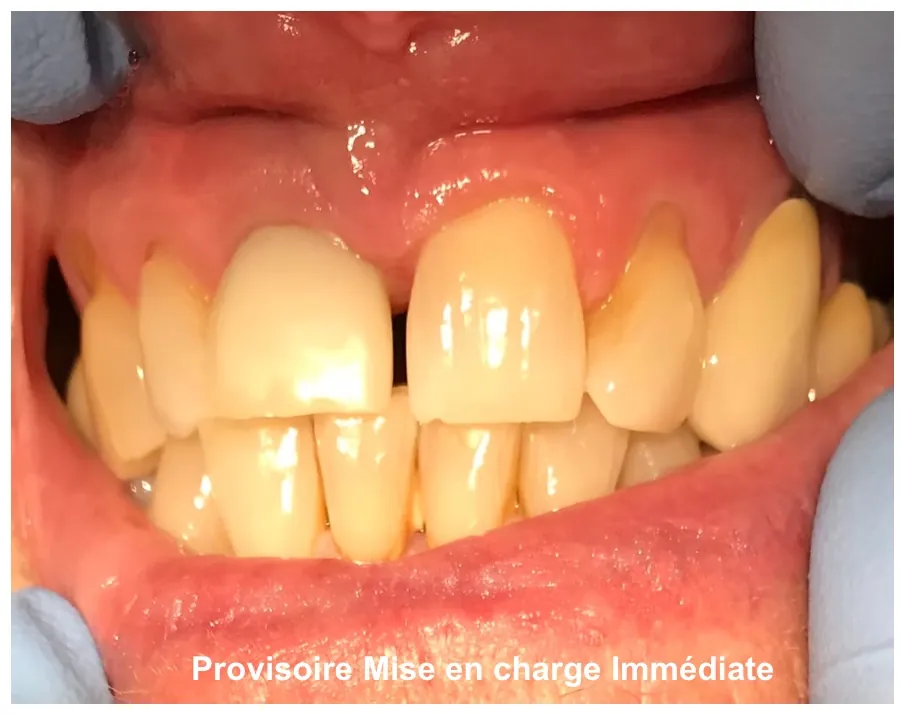
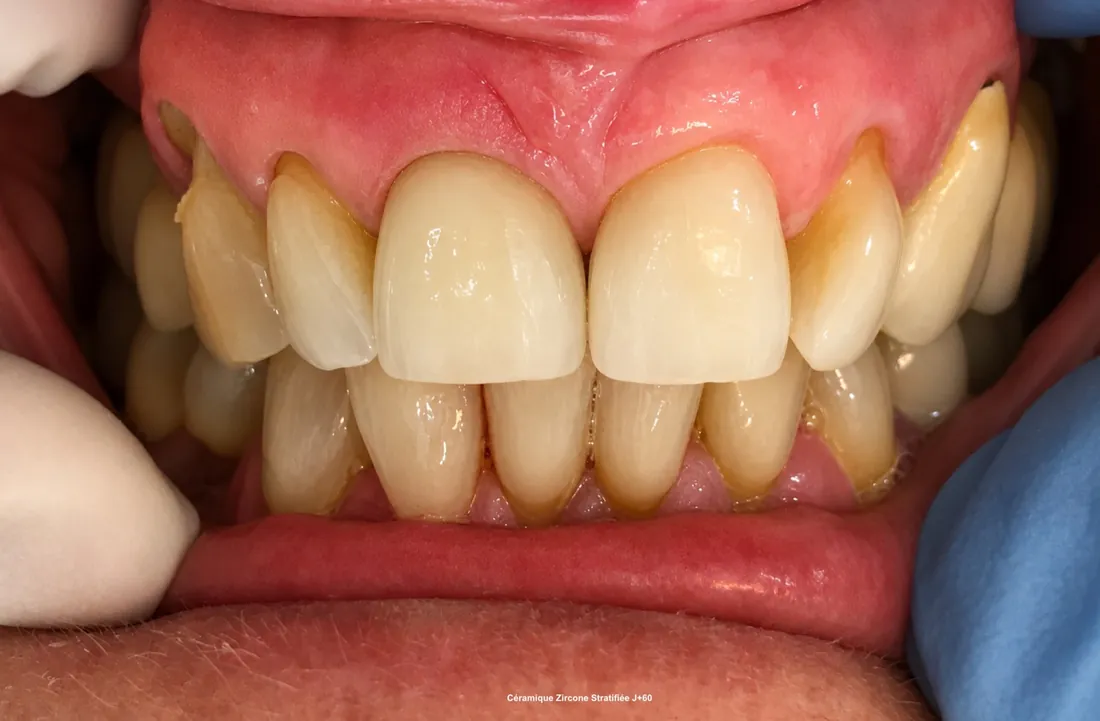
Ein vollständiger klinischer Fall – von der präoperativen Ausgangssituation bis zur definitiven Keramikkrone.
Das Team
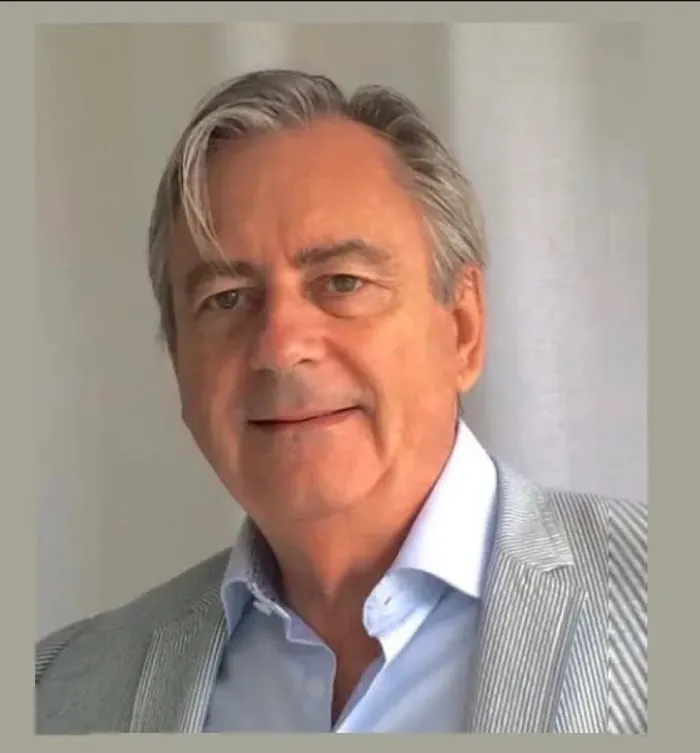
Zahnarzt · Implantologie
LinkedIn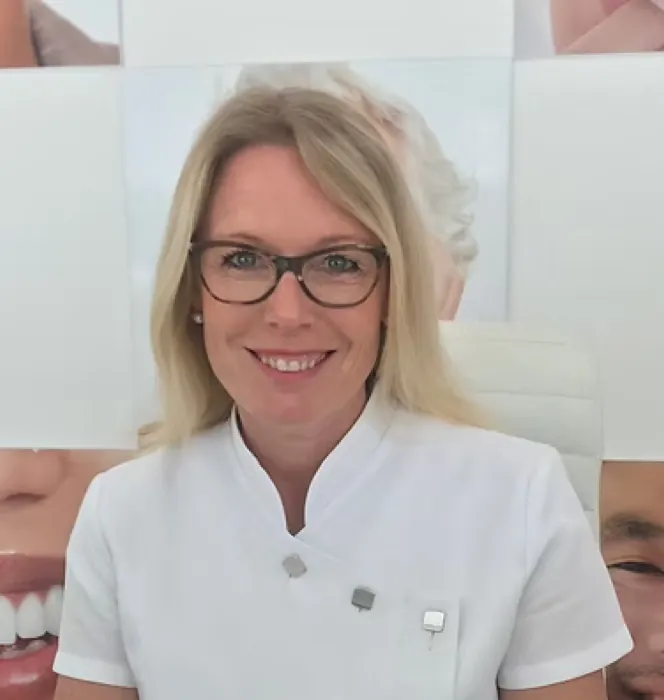
Verwaltung & Empfang
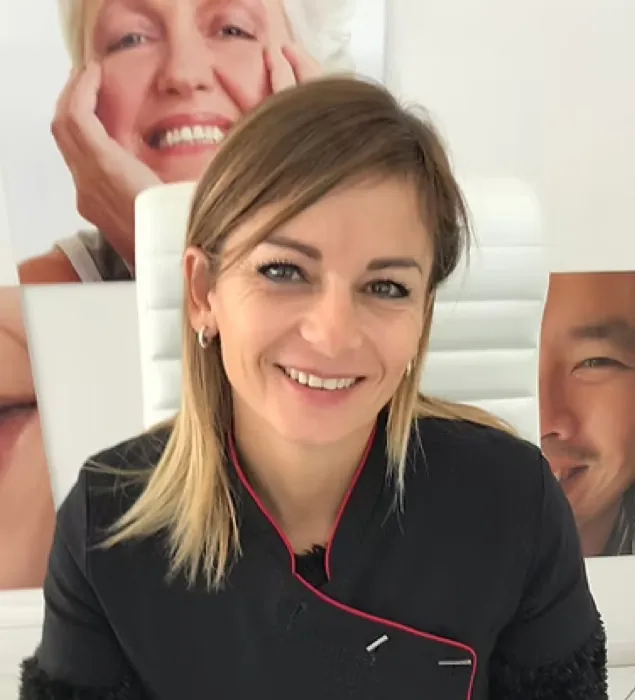
Diplomierte zahnmedizinische Assistentin
Ihr erster Termin
Nach dem ersten Termin haben Sie eine klare Diagnose, die möglichen Behandlungsoptionen und einen schriftlichen Kostenvoranschlag. Nichts wird ohne Ihre Zustimmung festgelegt.
Dr. Chaumanet untersucht Sie, fertigt bei Bedarf direkt in der Praxis eine DVT-Aufnahme (Cone Beam) an und erläutert Ihnen die Situation anhand Ihrer 3D-Bilder.
Die möglichen Lösungen werden Ihnen mit ihren Vorteilen und Grenzen vorgestellt. Sie erhalten einen detaillierten Kostenvoranschlag und können in Ruhe überlegen.
Unter örtlicher Betäubung, in den meisten Fällen ohne Schnitt und ohne Naht. Einfache Verhaltenshinweise und ein Kontrolltermin begleiten die Heilung.
Häufige Fragen
Das minimalinvasive Protokoll erfolgt unter örtlicher Betäubung, ohne Eröffnung des Zahnfleischs und ohne Naht. Da kein Schnitt erfolgt, sind postoperative Beschwerden und äußerlich sichtbare Spuren des Eingriffs deutlich reduziert.
Sofern die klinische Situation es erlaubt, können Zahnentfernung, Implantatinsertion und provisorische Krone in einem einzigen Termin erfolgen.
Nein. Über 98,5 % der Implantate werden nach einem minimalinvasiven Protokoll gesetzt, ohne Schnitt und ohne Naht.
Eine dreidimensionale Röntgenaufnahme (DVT, Cone Beam) von Kiefer und Gesichtsschädel wird direkt in der Praxis angefertigt, um den Eingriff präzise zu planen.
Nach der Erstuntersuchung erhalten Sie einen kostenlosen, individuellen Kostenvoranschlag. Dr. Chaumanet ist Vertragszahnarzt der französischen Krankenversicherung (conventionné); die Praxis akzeptiert Kartenzahlung, Schecks und Bargeld.
In den allermeisten Fällen ja. Der Knochen wird durch Kondensation und Expansion bearbeitet, statt aufgefüllt zu werden; im Seitenzahnbereich des Oberkiefers kann eine Sinusbodenelevation ohne Knochentransplantat und ohne Knochenersatzmaterialien erfolgen. Die 3D-Diagnostik zeigt, ob dies im Einzelfall möglich ist.
Die Kosten hängen von der Anzahl der Implantate, der gewählten Krone und der Knochensituation ab. Nach der Erstuntersuchung erhalten Sie einen detaillierten, kostenlosen Kostenvoranschlag, bevor Sie sich zu irgendetwas verpflichten; die Krone auf dem Implantat kann teilweise von der französischen gesetzlichen Krankenversicherung (Assurance Maladie) und Ihrer Zusatzversicherung übernommen werden.
Ja. Die Praxis liegt direkt am Meer in Villeneuve-Loubet, zwischen Cagnes-sur-Mer und Antibes, etwa fünfzehn Minuten von Nizza und vom Flughafen Nizza Côte d'Azur entfernt. Parkmöglichkeiten in der Nähe; der Regionalbahnhof (TER) Villeneuve-Loubet-Plage ist wenige Gehminuten entfernt. Unsere Patienten kommen von der gesamten Côte d'Azur, von Cannes bis Menton, sowie aus Monaco und Italien – die Praxis liegt nahe der Autobahn A8.
Die Praxis empfängt Sie auf Französisch, Englisch, Deutsch, Spanisch und Italienisch.
Die Praxis befindet sich in der 64 Boulevard Brigitte Bardot, Résidence Baie des Anges, in Villeneuve-Loubet. Sie ist von Montag bis Donnerstag von 9:00 bis 17:30 Uhr geöffnet (telefonisch erreichbar ab 8:30 Uhr).
Termin
Sprechstunde nach Vereinbarung, Montag bis Donnerstag. Buchen Sie rund um die Uhr online über Doctolib oder rufen Sie direkt in der Praxis an.
Bereits Patient der Praxis? Teilen Sie Ihre Bewertung auf Google
Institut für Oral- und Implantatchirurgie
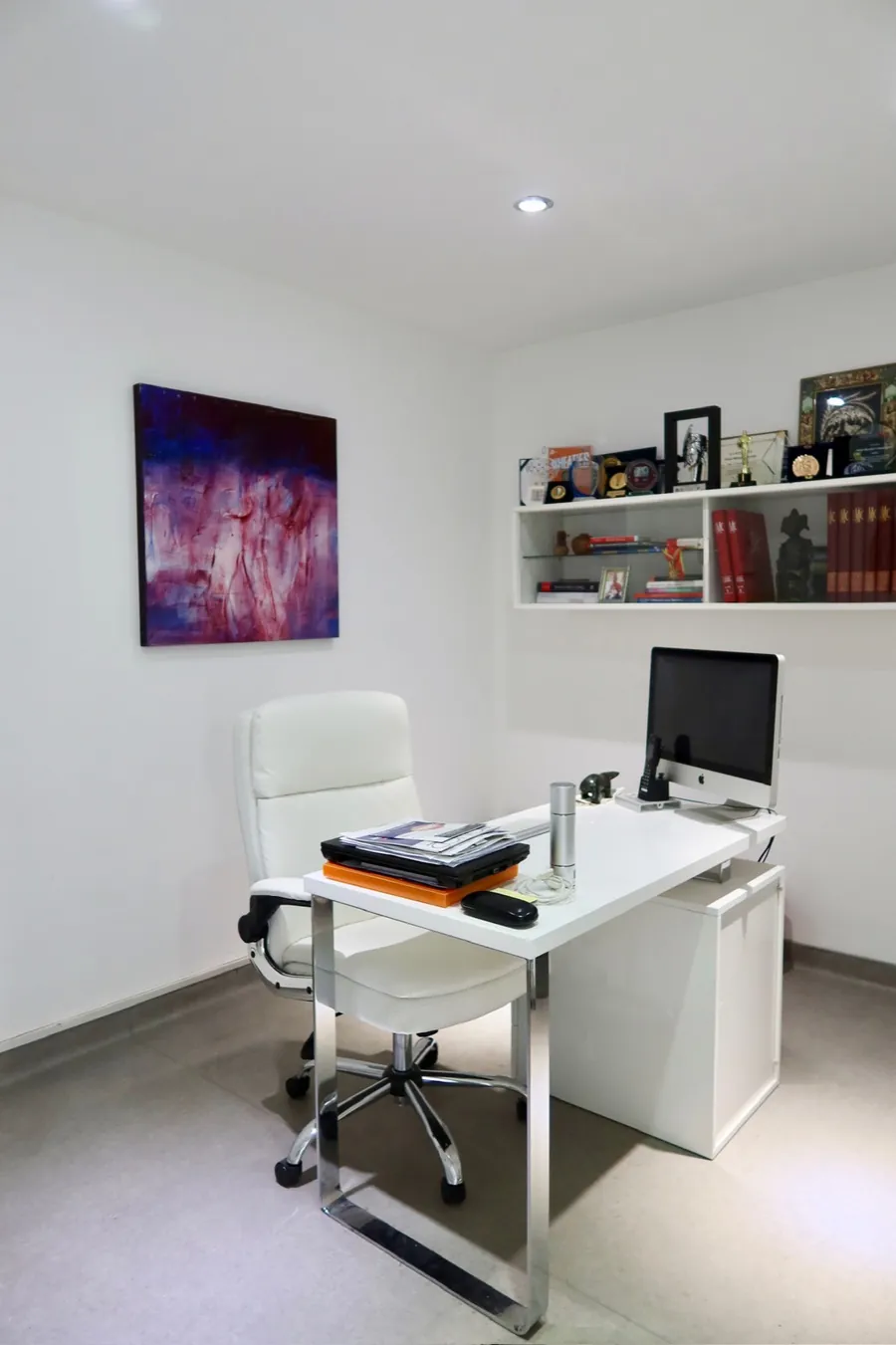
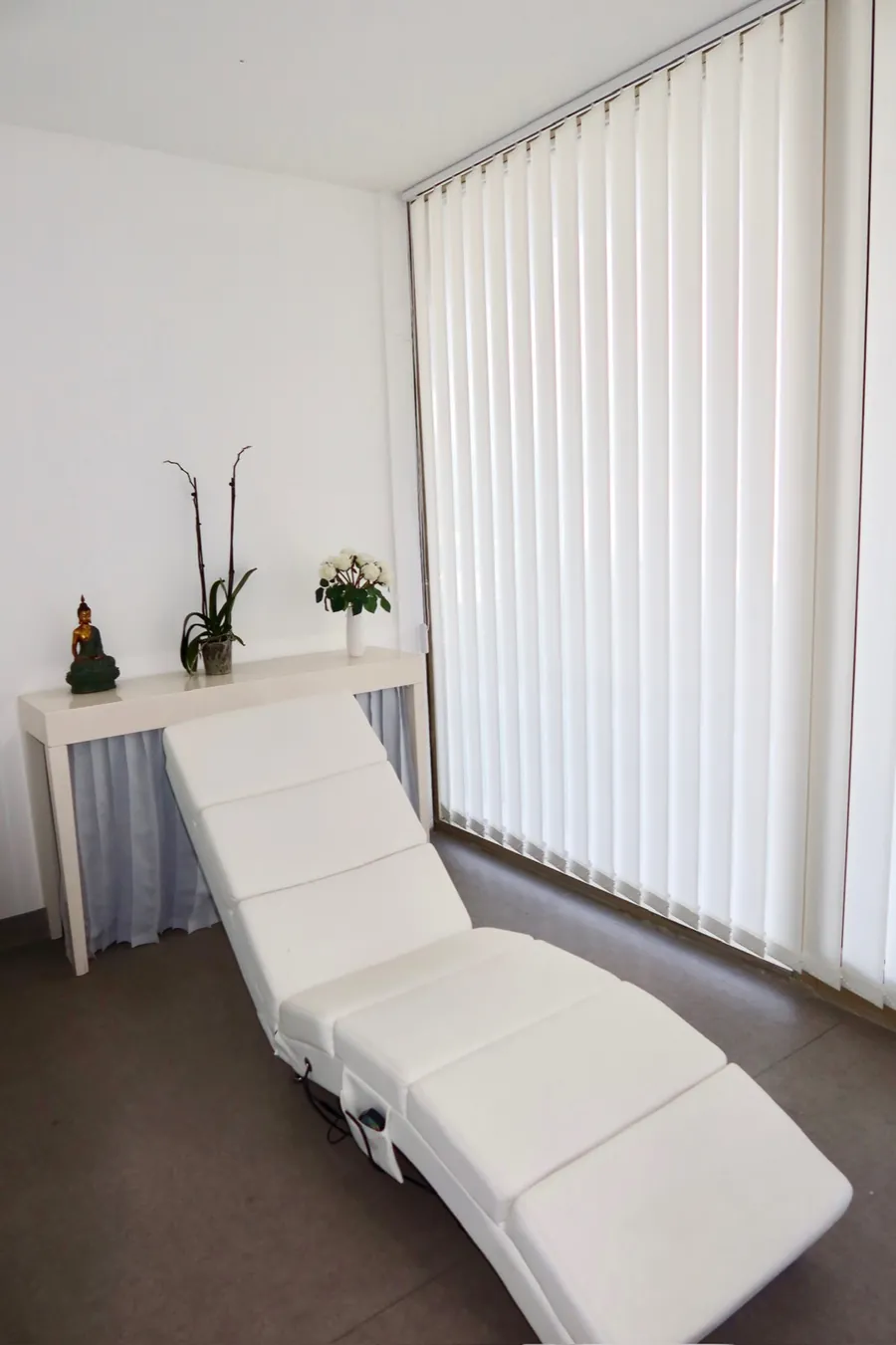
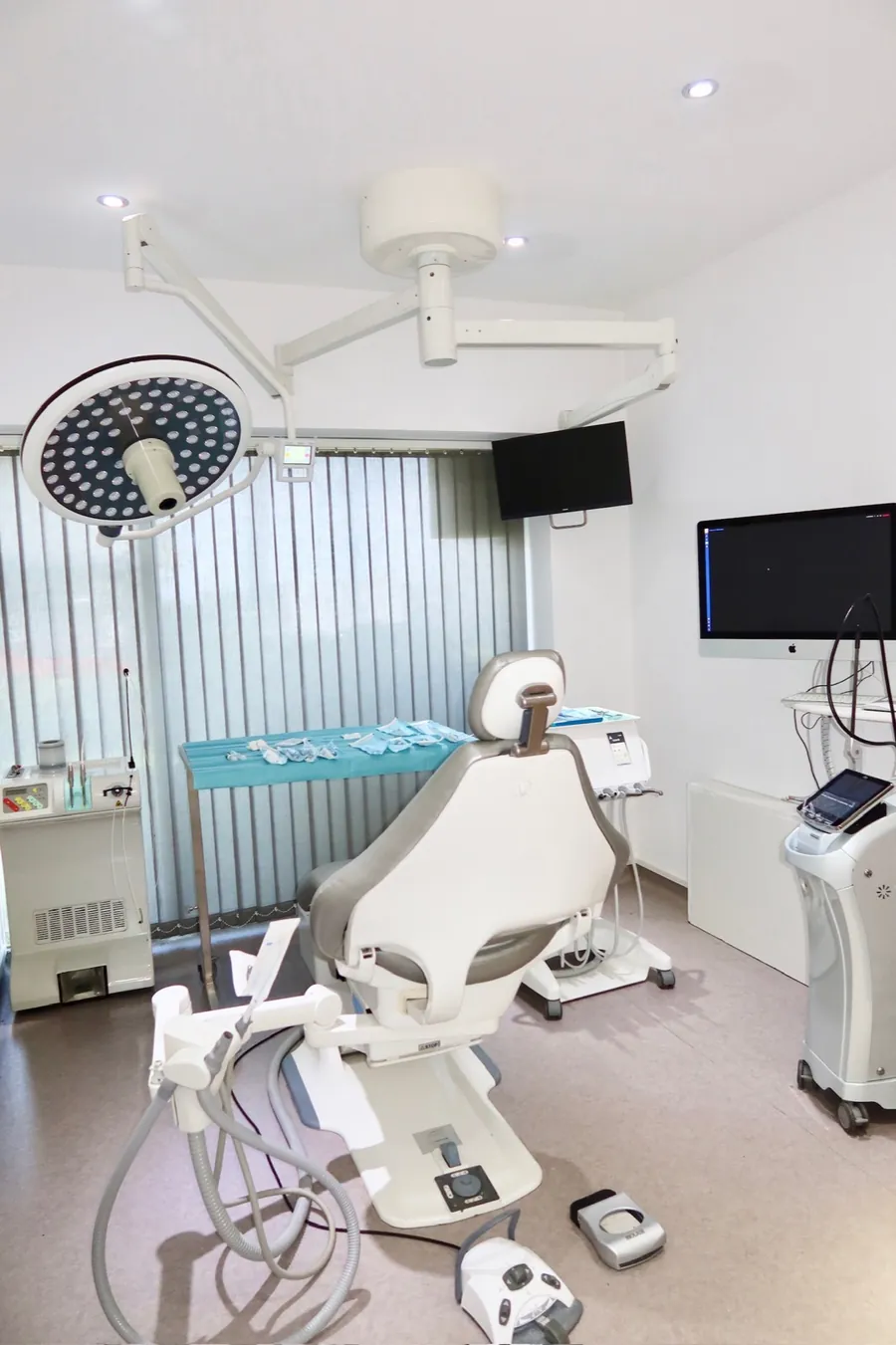
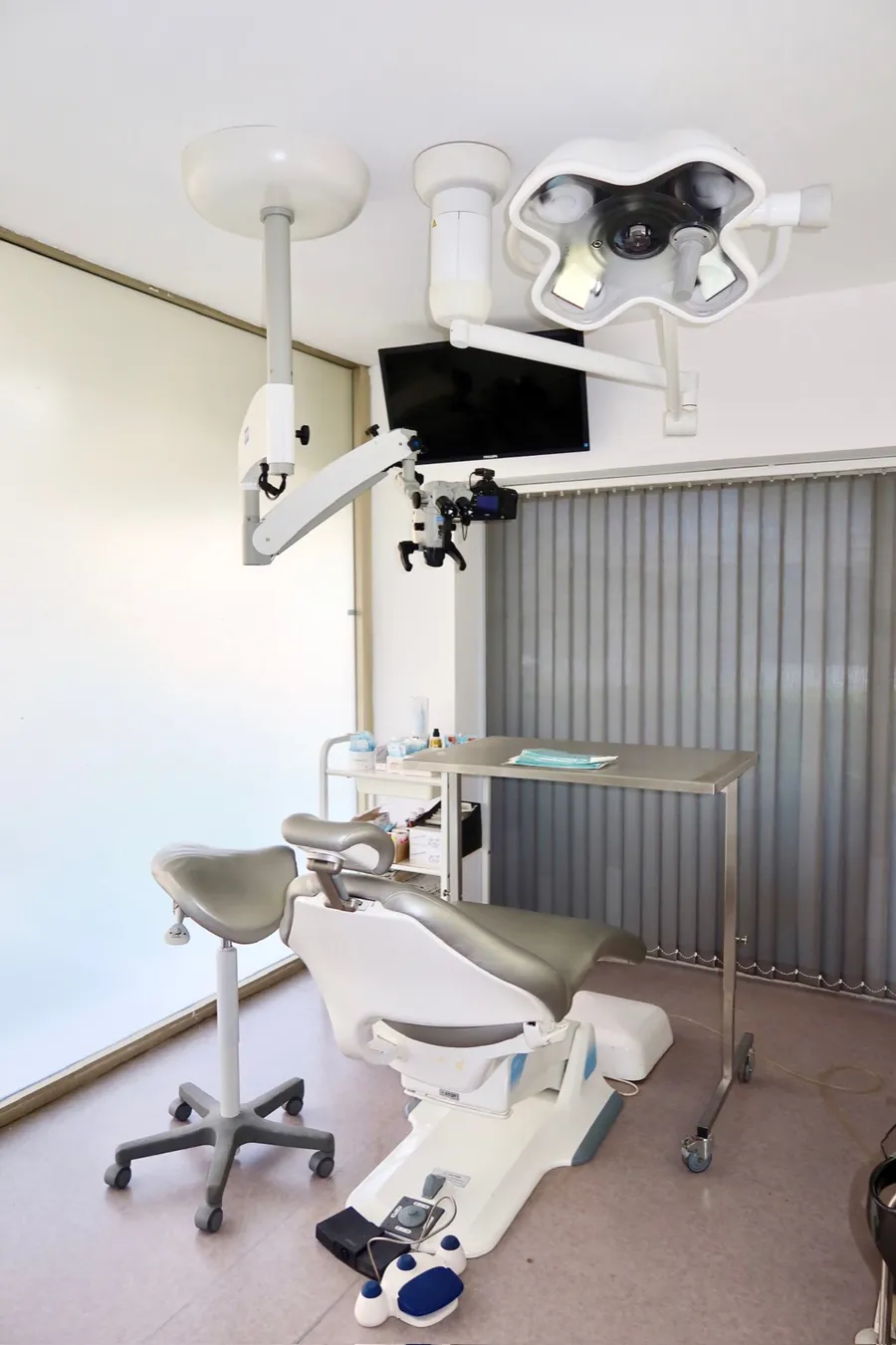
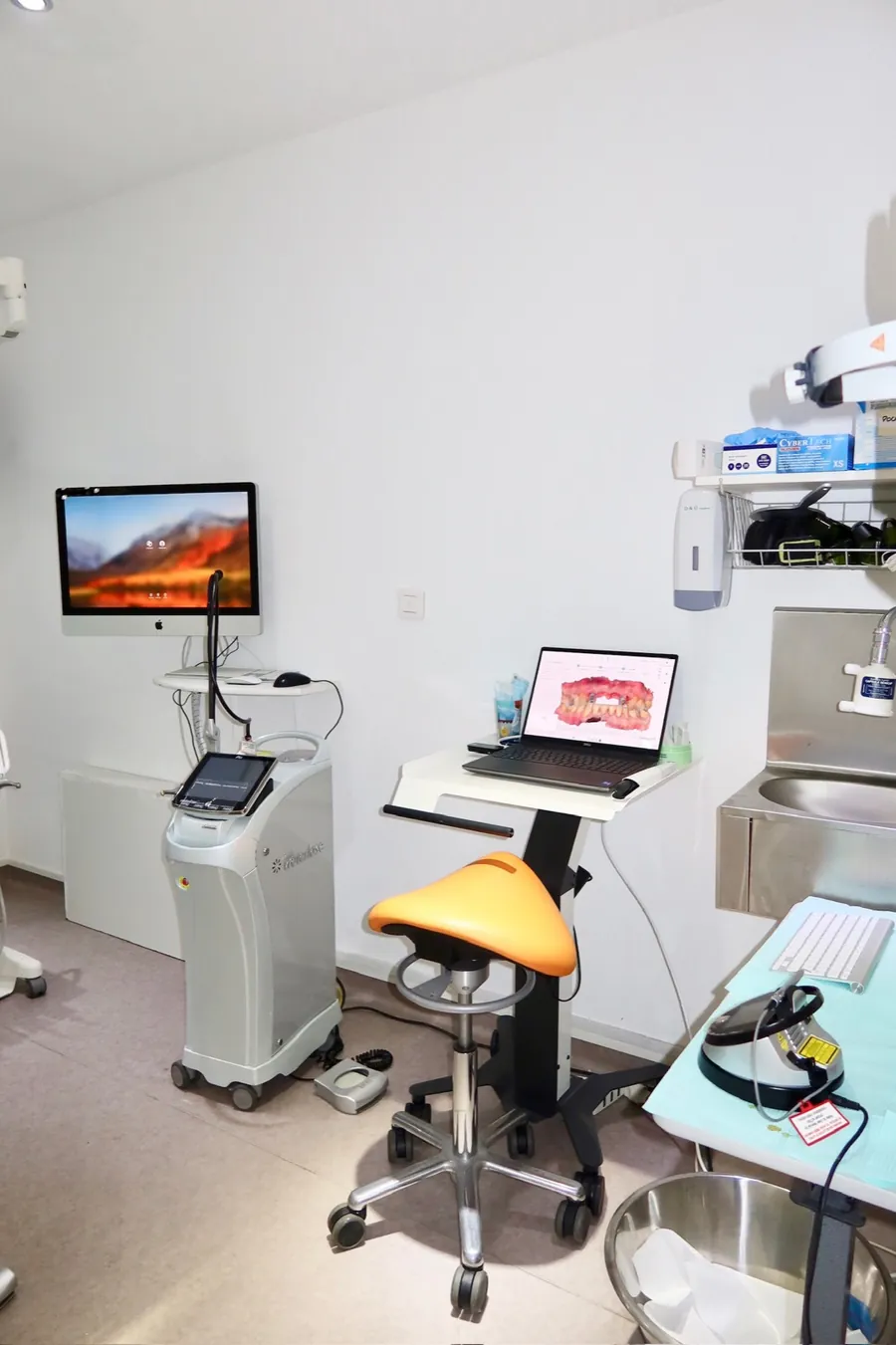
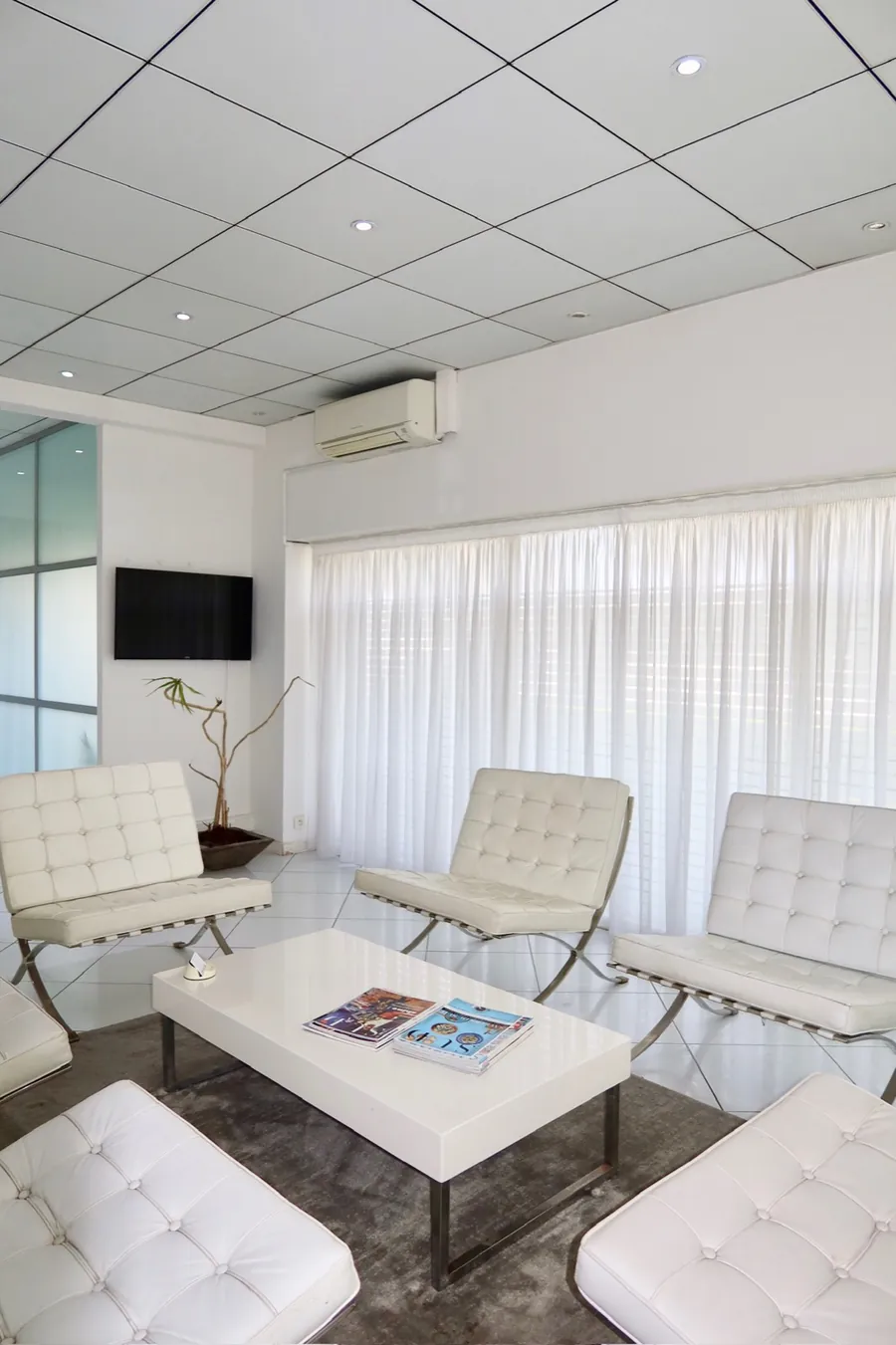
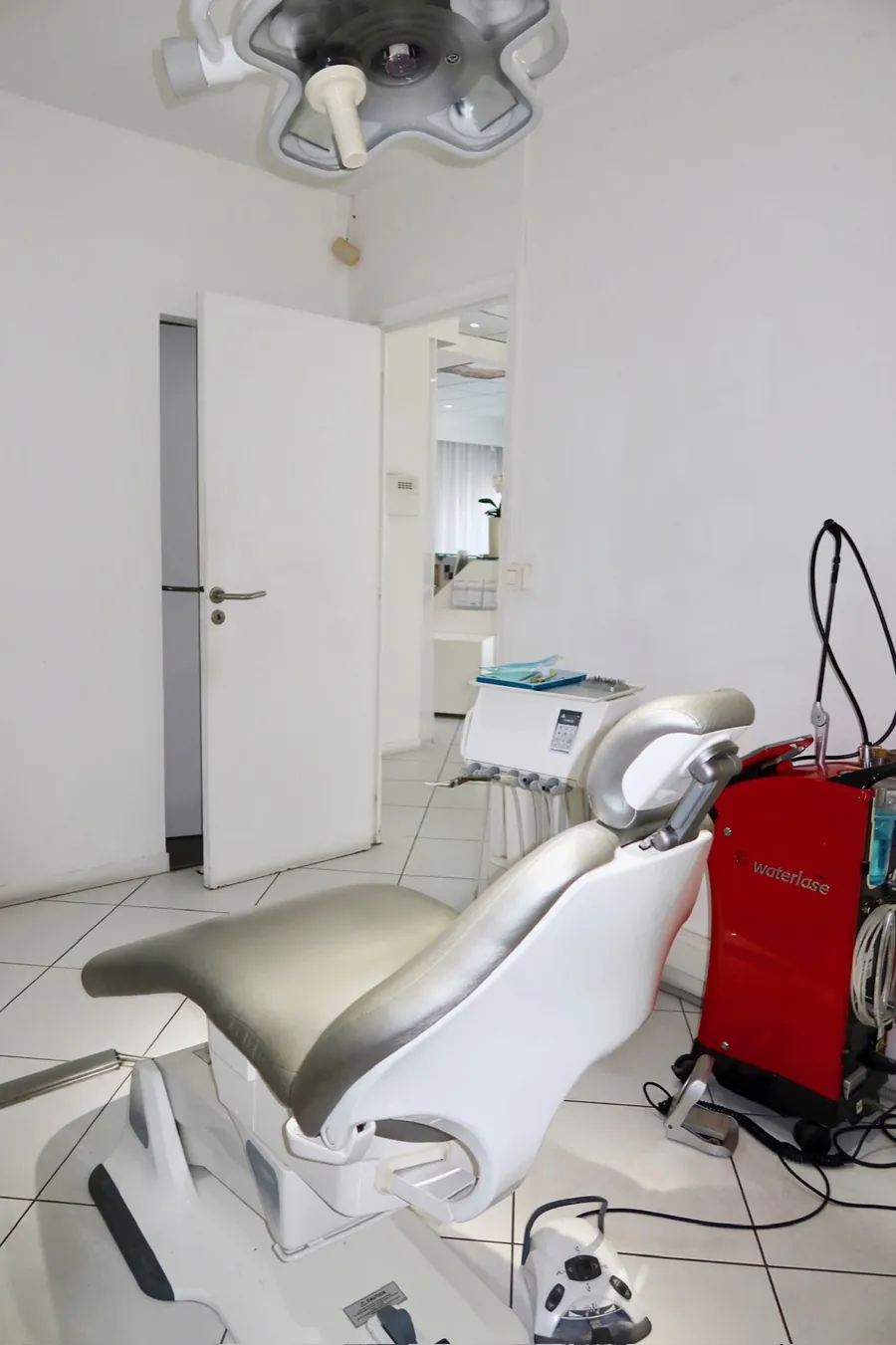
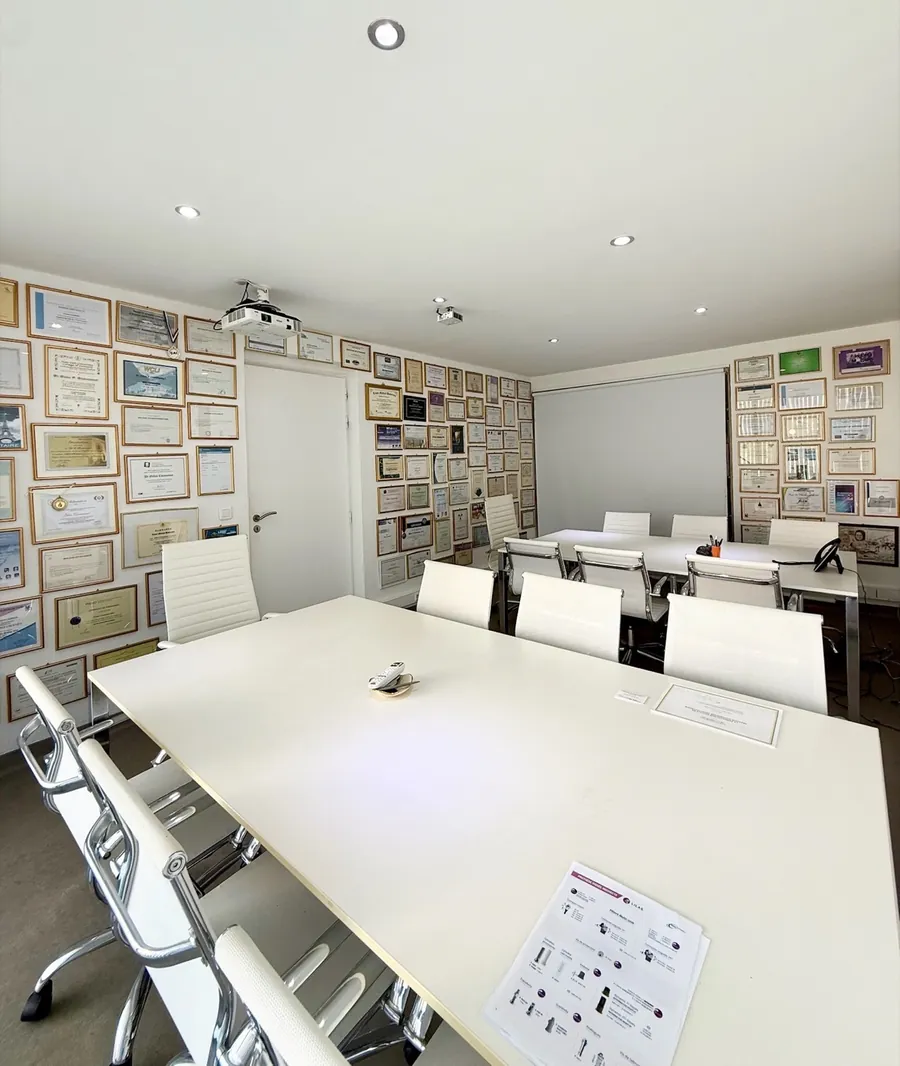
Empfang, Behandlungsräume und technische Ausstattung im Herzen der Baie des Anges: Operationsmikroskop, 3D-DVT (Cone Beam) und medizinische Laser.
Praktische Infos
Moderne technische Ausstattung im Herzen der Baie des Anges: Operationsmikroskop, 3D-Bildgebung und medizinische Laser, 64 Boulevard Brigitte Bardot in Villeneuve-Loubet.
64, Boulevard Brigitte Bardot
Résidence Baie des Anges
06270 Villeneuve-Loubet, Frankreich
Telefonisch erreichbar: Montag bis Freitag ab 8:30 Uhr
+33 4 97 10 00 80
dr.chaumanet@gmail.com
Vertragszahnarzt der französischen Krankenversicherung (conventionné) · Kostenlose Kostenvoranschläge · Kartenzahlung, Schecks und Bargeld
64 Boulevard Brigitte Bardot
Résidence Baie des Anges · 06270 Villeneuve-Loubet
Die Karte wird von Google Maps bereitgestellt; dabei können Cookies gesetzt werden.